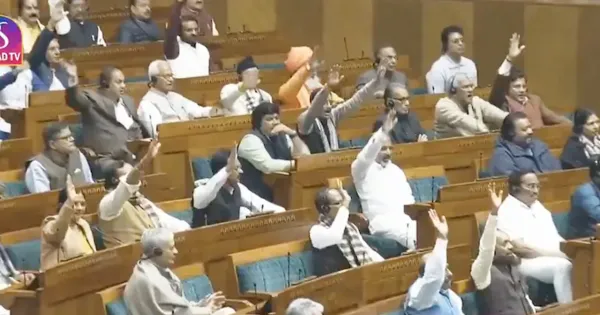
In a significant turn of events during a recent session of Parliament, the VB-G-Ram-Ji Bill 2025 was passed amidst considerable uproar in the Lok Sabha. The bill, which has sparked intense debate and controversy, saw opposition members expressing their dissent vocally and dramatically. In a show of discontent, several opposition lawmakers resorted to tearing up papers within the House, highlighting their strong opposition to the legislation and the manner in which it was being handled.
The passage of the VB-G-Ram-Ji Bill came after heated discussions that underscored the deep divisions among party lines. Supporters of the bill argued that it was essential for addressing pressing issues facing the nation, while critics contended that it could lead to adverse implications for various sectors and communities. The atmosphere in the Lok Sabha was charged, with shouts and interruptions as the opposition attempted to voice their concerns over the bill’s provisions and the government’s approach to governance.
As the bill moved through various stages of approval, the opposition made strategic efforts to delay proceedings, using parliamentary tactics to raise their points of order and demand further scrutiny. However, the ruling party remained steadfast, pushing through the legislative agenda despite the tumult. The incident reflects a broader trend of increasing polarization in Indian politics, where legislative sessions often devolve into confrontations, overshadowing the democratic process.
The passage of the VB-G-Ram-Ji Bill serves as a reminder of the challenges faced in governing a diverse and complex society. With the opposition signaling plans to challenge the bill in various forums, including potential judicial review, the coming weeks are likely to witness ongoing debates about the implications of this legislation. This scenario not only raises questions about the legislative process but also about the future of political discourse in the country, as stakeholders on all sides grapple with the ramifications of such significant legislative moves.