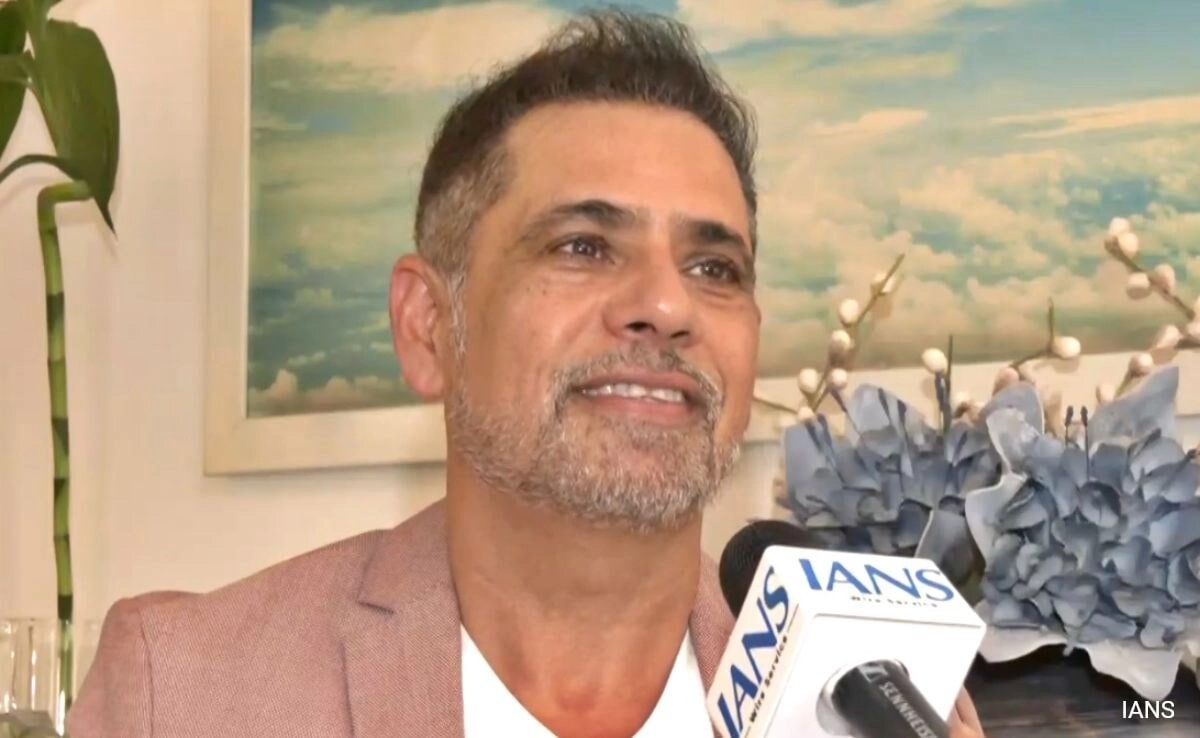
Robert Vadra, the son-in-law of Congress leader Sonia Gandhi, has been summoned for the second time by the Enforcement Directorate (ED) as part of an ongoing investigation into allegations of money laundering. This development has reignited public interest and media attention around Vadra, who has often found himself in the crosshairs of political controversy. On this occasion, Vadra appeared at the ED office, marching in with a sense of determination, ready to face the scrutiny of the investigative agency.
The summons comes amid a broader investigation into various financial transactions and properties linked to Vadra, which are believed to be under the ED’s radar for potential violations of the Prevention of Money Laundering Act. The agency had previously questioned him regarding similar allegations, and his reappearance at the ED office underscores the ongoing nature of this inquiry. Vadra has consistently denied any wrongdoing, maintaining that he is being targeted for political reasons rather than legitimate legal concerns.
As the investigation unfolds, it raises questions about the intersection of politics and business in India, particularly regarding the influence of prominent political families. The scrutiny faced by Vadra reflects the heightened vigilance of law enforcement agencies in tackling corruption and financial misconduct. With the ED poised to delve deeper into the allegations, the outcome of this investigation could have significant implications not just for Vadra, but also for the Congress party, which has been grappling with various challenges in the political landscape.
Public sentiment surrounding this case is mixed, with some viewing Vadra as a victim of political vendetta, while others believe that accountability should be upheld regardless of one’s political connections. The situation is further complicated by the backdrop of a politically charged environment in India, where allegations of corruption often become a focal point of electoral discourse. As Robert Vadra prepares to navigate this challenging chapter, the unfolding events will undoubtedly be keenly observed by both supporters and critics alike, with the potential to influence perceptions of political accountability in the country.