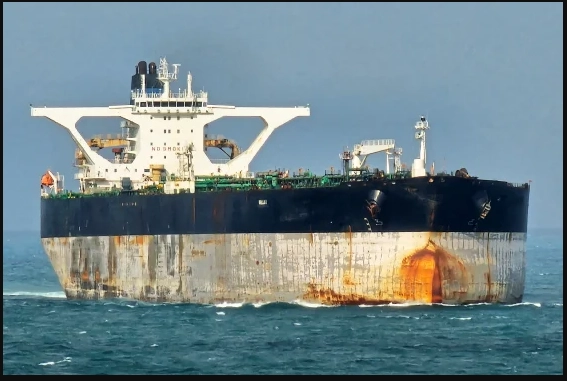
In a significant maritime operation, U.S. forces have seized a Russian-flagged oil tanker in the North Atlantic, marking a notable escalation in the ongoing tensions surrounding international shipping and energy supplies. The vessel, which was reportedly transporting oil in violation of international sanctions, was intercepted by U.S. naval forces, highlighting the United States’ commitment to enforcing sanctions against Russia amid ongoing geopolitical conflicts. This incident underscores the complexities of maritime law and the lengths to which nations will go to protect their economic interests and uphold international regulations.
The seizure reflects the broader context of heightened tensions between Russia and Western nations, particularly in light of the ongoing conflict in Ukraine and Russia’s aggressive actions in various regions. The U.S. has been actively working to curb Russia’s ability to export oil and other resources, as these revenues are crucial for funding its military operations. This action not only aims to disrupt the flow of resources to Russia but also serves as a warning to other nations and shipping companies about the potential consequences of violating sanctions.
The implications of this seizure extend beyond immediate geopolitical concerns, as they may also influence global oil markets and shipping routes. The U.S. aims to maintain stability in energy supplies while simultaneously exerting pressure on Russia. Industry analysts are closely monitoring the situation, as disruptions in oil transport can lead to fluctuations in prices and supply chains worldwide. Moreover, the incident could provoke a response from Russia, potentially escalating tensions further in an already volatile geopolitical landscape.
As international responses evolve, the seizure of the Russian-flagged oil tanker will likely spark debates regarding maritime sovereignty, international law, and the enforcement of sanctions. Countries around the world will be watching closely to see how this situation unfolds and what it means for future interactions between Russia and the West. The event serves as a reminder of the precarious balance between maintaining order in international waters and navigating the complexities of global diplomacy.