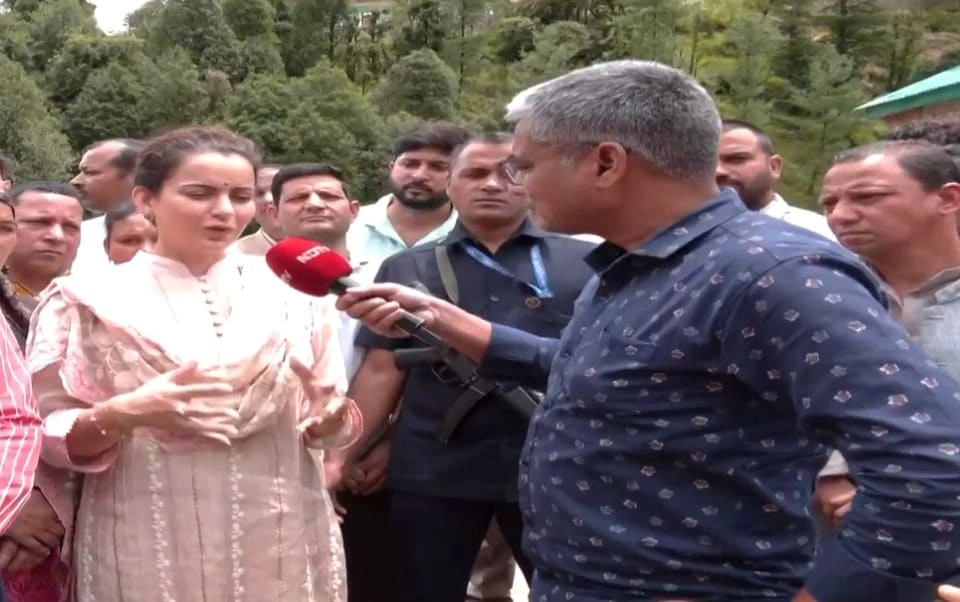
Kangana Ranaut, a prominent figure in the Indian film industry, has recently voiced her concerns amid the ongoing debate between Marathi and Hindi-speaking communities. In a world where regional pride often leads to divisions, Ranaut emphasizes the importance of unity and understanding among different linguistic groups. She believes that the cultural richness of India lies in its diversity, and rather than being divided by language, people should come together to celebrate their differences. Her perspective is particularly relevant in the context of the heightened tensions between the Marathi and Hindi-speaking populations, where the debate has sometimes escalated into conflict over cultural identity and representation.
Ranaut’s call for unity comes at a time when the film industry itself has been a focal point for these discussions. As a prominent actress and filmmaker, she recognizes the power of cinema as a medium that transcends linguistic barriers and can foster a sense of shared identity among diverse groups. By advocating for collaboration rather than competition, Ranaut encourages artists and audiences alike to appreciate the myriad of stories that different cultures have to offer. She suggests that when people engage with one another’s languages and traditions, it enriches the cultural tapestry of the nation, providing a platform for dialogue and understanding.
Moreover, the debates surrounding language and culture are not merely academic; they have real-world implications for social harmony. Ranaut’s insistence on avoiding division prompts a reflection on how language can sometimes become a tool for exclusion rather than inclusion. In her view, fostering a spirit of cooperation can lead to a more cohesive society where individuals, regardless of their linguistic background, feel valued and represented. This message resonates with many who believe that national identity should encompass all regional identities, allowing for a more inclusive narrative.
In conclusion, Kangana Ranaut’s comments serve as a reminder that unity should be prioritized over division, especially in a diverse nation like India. By encouraging dialogue between Marathi and Hindi speakers, she highlights the potential for growth and mutual respect. As the cultural landscape continues to evolve, it becomes increasingly vital for individuals and communities to find common ground, embracing their differences while working towards a harmonious coexistence. Ultimately, Ranaut’s call for solidarity encourages a vision of India where collaboration trumps contention, paving the way for a brighter, more inclusive future.