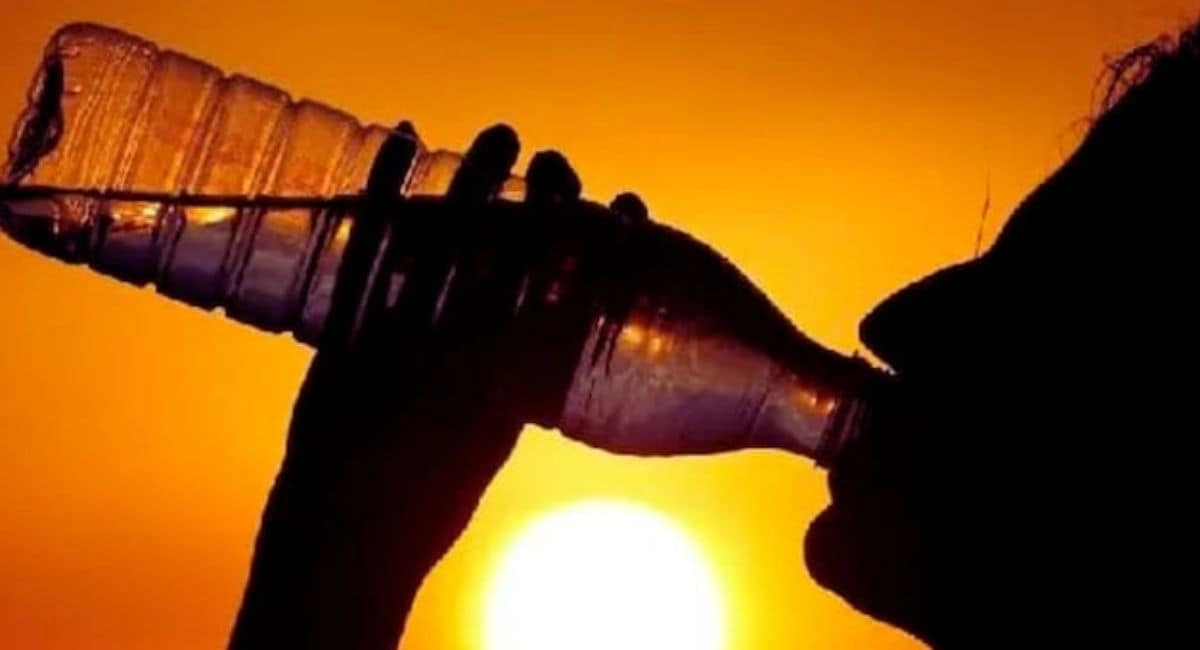
The United Nations has issued a stark warning regarding the increasing frequency and intensity of heatwaves, underscoring the necessity for societies to adapt to this new reality. As climate change continues to escalate, heatwaves are becoming a common occurrence, posing serious threats to public health, agriculture, and overall quality of life. The UN emphasizes that rising global temperatures will likely result in longer and more severe heat events, making it imperative for governments and communities to implement strategies that mitigate the effects of extreme heat.
To effectively address the challenges posed by heatwaves, the UN advocates for a multi-faceted approach. This includes enhancing urban planning to include green spaces and reflective surfaces, which can help lower temperatures in densely populated areas. Additionally, public awareness campaigns are crucial to educate citizens on the risks associated with extreme heat and the measures they can take to protect themselves. This may involve staying hydrated, avoiding outdoor activities during peak heat hours, and recognizing the signs of heat-related illnesses.
Moreover, the UN calls for investment in research and technology to improve heatwave forecasting and response systems. By developing more accurate predictive models, communities can better prepare for impending heat events, ensuring that vulnerable populations receive timely assistance. Furthermore, integrating climate resilience into infrastructure development will not only protect against heatwaves but also fortify communities against other climate-related challenges, such as flooding and drought.
In conclusion, the UN’s message is clear: the world must adapt to the reality of heatwaves as a consequence of climate change. By prioritizing public health, urban resilience, and community education, societies can minimize the adverse impacts of extreme heat. Collaborative efforts at local, national, and international levels are essential to build a sustainable framework that supports adaptation and resilience. As we face this growing challenge, proactive measures will be key to ensuring that individuals and communities can thrive in an increasingly hot world.