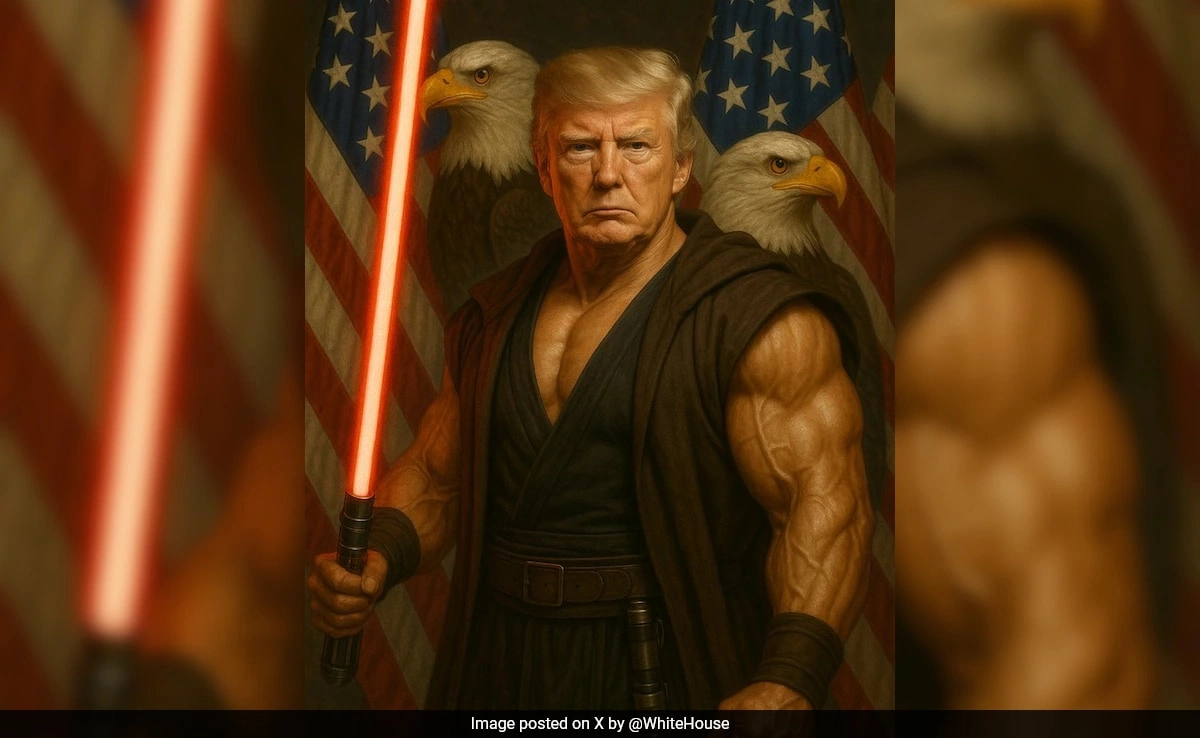
During Donald Trump’s presidency, the White House adopted a unique approach to communication by creating its own media ecosystem that leveraged memes and influencers. This strategy was characterized by a grassroots-level engagement that aimed to bypass traditional media outlets, which often presented critical narratives of the administration. By harnessing the power of social media platforms like Twitter, Facebook, and Instagram, the Trump White House cultivated a direct line of communication with supporters, utilizing memes and viral content to shape public perception and rally the base. This approach not only allowed for immediate dissemination of information but also fostered a sense of community among supporters who engaged with and shared this content.
Central to this media strategy was the use of influencers—individuals with significant followings on social media who could amplify the administration’s messages. By collaborating with these influencers, the White House managed to reach younger demographics and those who might be disillusioned with mainstream media. Influencers often shared memes that encapsulated key messages or mocked political opponents, effectively serving as modern-day propagandists for the Trump administration. This not only helped to solidify the loyalty of existing supporters but also attracted new followers who resonated with the often humorous, irreverent tone of the content.
The creation of this media universe was not without its challenges, however. As the administration pushed forward with its messaging, it faced significant pushback from fact-checkers and critics who sought to debunk misleading information or highlight inaccuracies. This dynamic underscored a growing divide in how information was consumed and interpreted across the political spectrum. Supporters often viewed the memes and narratives as a refreshing alternative to what they perceived as biased mainstream media, while opponents critiqued the administration for promoting misinformation. Despite these challenges, the effectiveness of this strategy in mobilizing supporters and shaping narratives around key issues, from immigration to the economy, was undeniable.
Ultimately, the Trump White House’s media strategy represented a significant shift in political communication. By creating its own media universe, it not only disrupted traditional pathways of information dissemination but also showcased the power of digital platforms in modern politics. This approach has had lasting implications, influencing how subsequent political campaigns and administrations engage with the public, as the blending of entertainment, social media, and political messaging continues to evolve in the digital age.