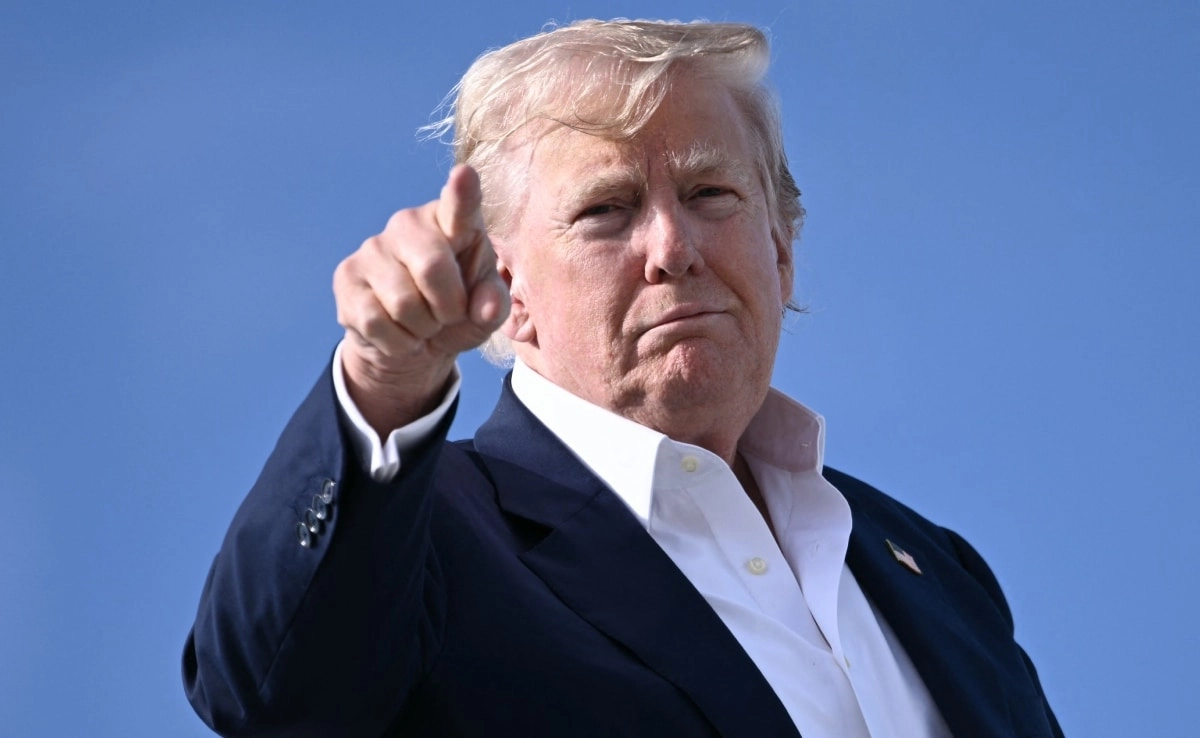
Donald Trump’s use of tariffs during his presidency serves as a compelling case study in understanding the principles of game theory. Game theory, a mathematical framework for analyzing strategic interactions among rational decision-makers, can provide insights into the rationale behind Trump’s tariff tactics and their implications on both domestic and international fronts. At the heart of this strategy is the concept of signaling, where actions taken by one player can influence the decisions of others in the game.
When Trump imposed tariffs on various imported goods, particularly from China, he aimed to alter the playing field in favor of American manufacturers. This tactic was not merely a means to generate revenue; rather, it served as a strategic move to signal strength and resolve in trade negotiations. By raising tariffs, Trump sought to create a bargaining position that would force trading partners to reconsider their practices and come to the negotiating table. This aligns with the game-theoretic notion of commitment, where one player makes a move that changes the payoffs for others, ideally leading to a favorable outcome for themselves.
Moreover, the tariff strategy reflects the dynamics of a repeated game, where the actions of players over time can lead to different equilibria. In the context of U.S.-China relations, the imposition of tariffs was expected to elicit retaliatory measures from China, which they did. This back-and-forth escalation illustrates the tit-for-tat strategy often observed in repeated games, where cooperation can break down into conflict due to the perceived need to retaliate against perceived aggression. As both sides engaged in this strategic interaction, the potential for reaching a mutually beneficial agreement diminished, highlighting the complexities and risks inherent in such a game.
Ultimately, the application of game theory to Trump’s tariff tactics underscores the intricate interplay between strategy, negotiation, and economic policy. It illustrates how leaders can utilize seemingly aggressive measures as part of a broader strategy to reshape the competitive landscape. Understanding these dynamics is crucial for policymakers and economists alike, as they navigate the complexities of international trade and seek to anticipate the reactions of other players in the global market. In this light, Trump’s tariff strategy serves not only as a political maneuver but also as a rich example of game theory in action, providing valuable lessons for future trade negotiations.