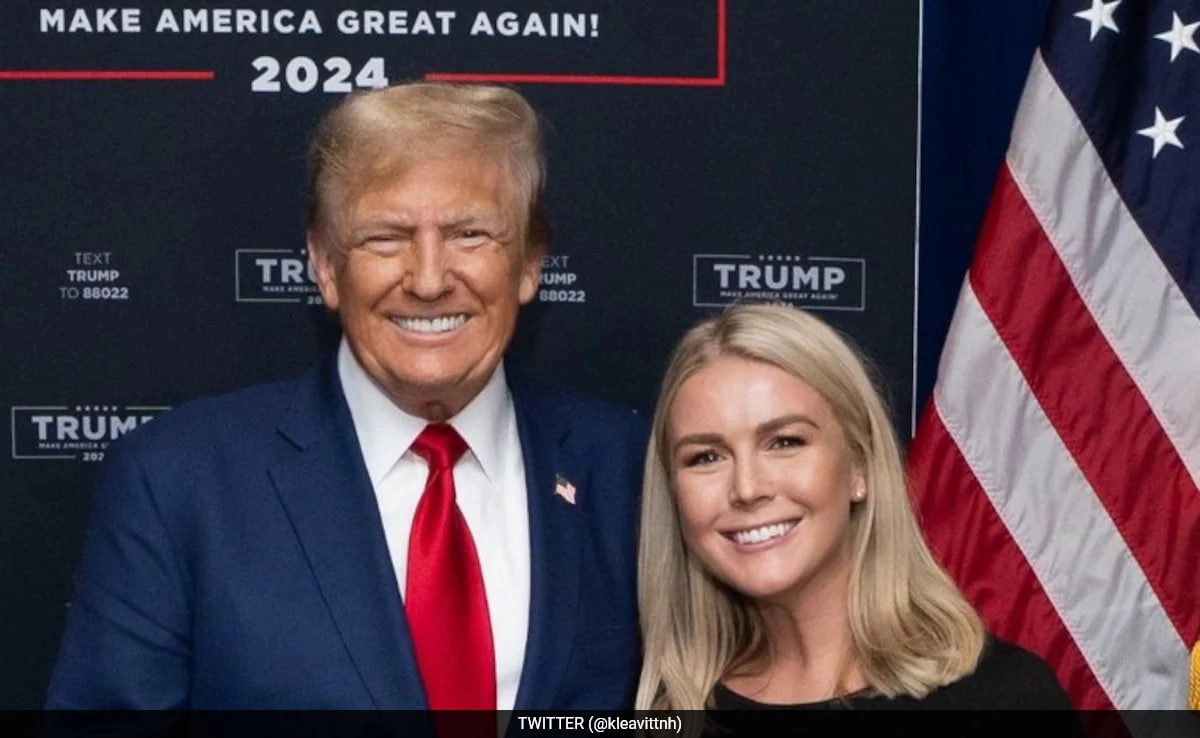
In a recent incident that has stirred controversy, former President Donald Trump made headlines for his comments regarding a White House secretary. During a public appearance, Trump expressed admiration for the secretary’s appearance, specifically complimenting her face and lips. This seemingly innocuous remark has ignited a significant debate about appropriateness in the workplace, particularly in the context of gender dynamics and the treatment of women in positions of power. Critics have swiftly condemned Trump’s comments, arguing that such remarks contribute to a culture of objectification and undermine the professionalism expected in government roles.
The backlash against Trump’s comments has been swift and multifaceted. Advocates for gender equality have highlighted the need for respectful discourse, especially in environments like the White House, where power dynamics are already skewed. They argue that comments focusing on physical appearance detract from the individual’s capabilities and accomplishments, thereby perpetuating a culture that often sidelines women’s professional contributions. Critics also point to the broader implications of such comments, suggesting that they can create uncomfortable and hostile work environments for women, who may feel their professional worth is being evaluated based on their looks rather than their skills and expertise.
On the flip side, some supporters of Trump have defended his remarks, suggesting that they are harmless and part of a broader trend of expressing admiration for individuals. They argue that such compliments are often mischaracterized as inappropriate, asserting that the intent behind the comments was not malicious. However, this perspective has not gained significant traction in the face of widespread criticism from various sectors, including political analysts, social commentators, and women’s rights advocates. The incident serves as a reminder of the ongoing tensions surrounding gender and power in the workplace and the need for a more nuanced understanding of how language can impact professional interactions.
Overall, Trump’s remarks have reignited discussions about the treatment of women in politics and the importance of maintaining a professional atmosphere within government institutions. As society continues to grapple with issues of gender equality and workplace conduct, this incident highlights the ongoing challenges faced by women striving for recognition and respect in environments often dominated by male voices. The dialogue surrounding this event is likely to continue, prompting both reflection and action toward creating a more equitable and respectful workplace for all.