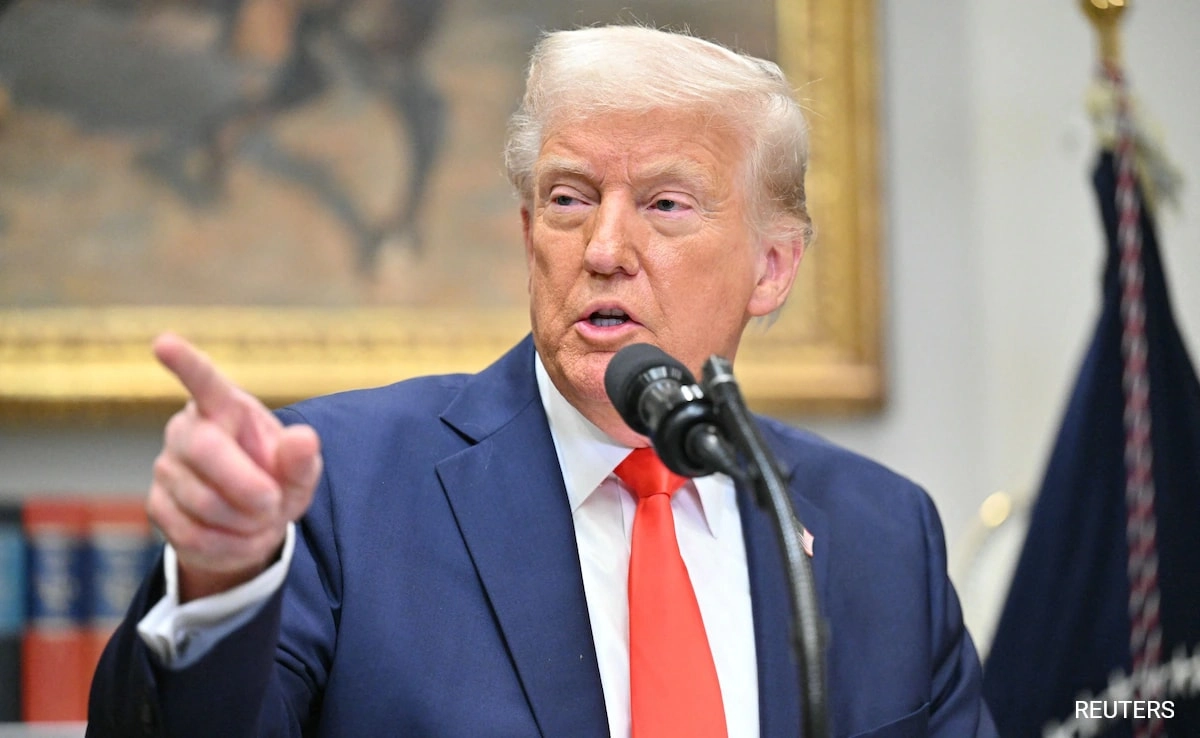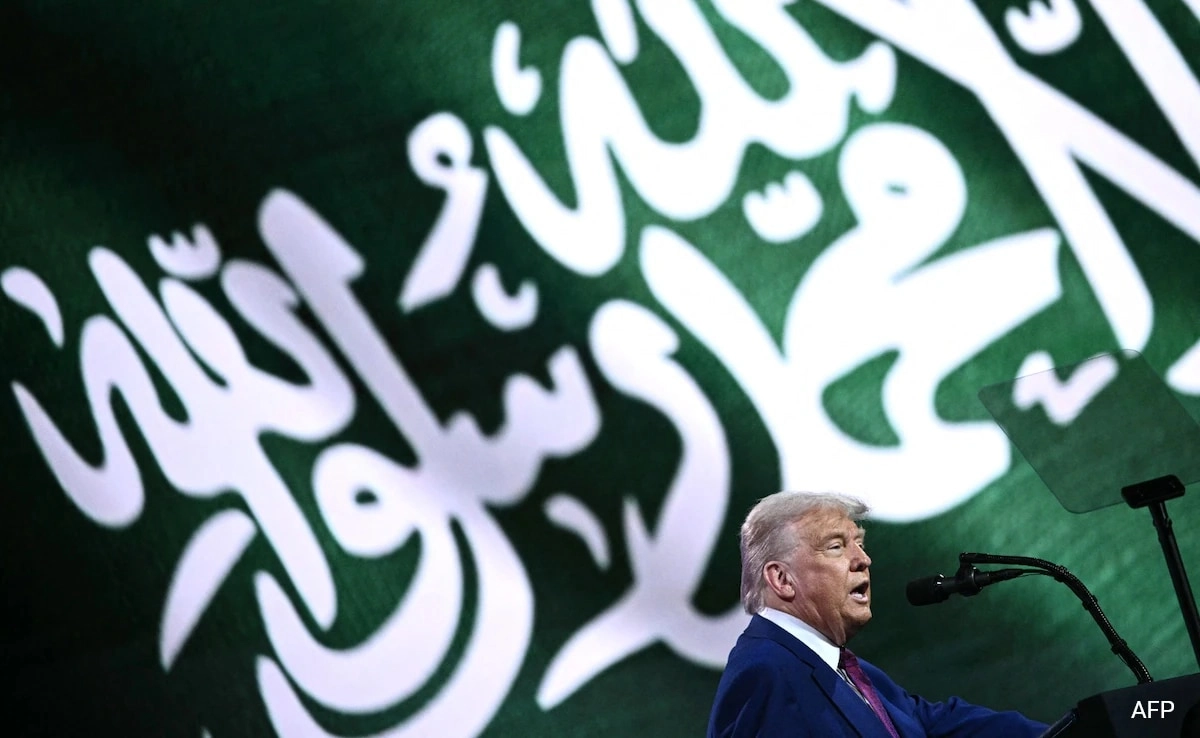
As former President Donald Trump embarks on a visit to the Middle East, the Gulf Arab nations are keenly observing the diplomatic landscape and strategizing their expectations from the United States. The Gulf states, particularly Saudi Arabia, the United Arab Emirates, and Qatar, are looking for a reaffirmation of their strategic partnerships with the U.S. They seek not only military support and arms deals but also a commitment to tackle regional security threats, particularly from Iran. The ongoing tensions and proxy conflicts in the region have made it imperative for these nations to secure U.S. backing as a counterbalance to Iranian influence.
Moreover, Gulf Arab nations are interested in economic partnerships that extend beyond traditional oil and gas investments. They are eager for the U.S. to engage in technology transfers, investments in renewable energy, and support for their diversification efforts under initiatives like Saudi Vision 2030. These nations aim to transition their economies away from oil dependency, and U.S. cooperation in sectors such as technology, tourism, and entertainment is seen as crucial for achieving these goals. Consequently, Trump’s visit presents an opportunity for these countries to push for a more comprehensive economic partnership that aligns with their long-term visions.
Additionally, the Gulf Arab states are advocating for a more robust U.S. role in mediating peace processes within the region. They are particularly focused on the Israeli-Palestinian conflict, where they hope the U.S. can facilitate dialogue and negotiations that lead to a lasting resolution. The recent normalization agreements between Israel and several Arab countries have shifted the dynamics, and Gulf nations want to leverage this moment to encourage U.S. engagement that promotes stability and peace. By doing so, they hope to ensure that their own interests are safeguarded while contributing to a more stable Middle East.
In summary, as Trump visits the Middle East, the Gulf Arab nations have a multifaceted agenda that includes security assurances, economic diversification, and active U.S. involvement in regional peace initiatives. Their expectations reflect a desire for deeper cooperation with the U.S. that goes beyond traditional alliances, aiming to navigate the complexities of a rapidly changing geopolitical landscape. The outcomes of this visit could significantly shape the future of U.S.-Gulf relations, highlighting the importance of mutual interests and shared goals in fostering a stable and prosperous region.