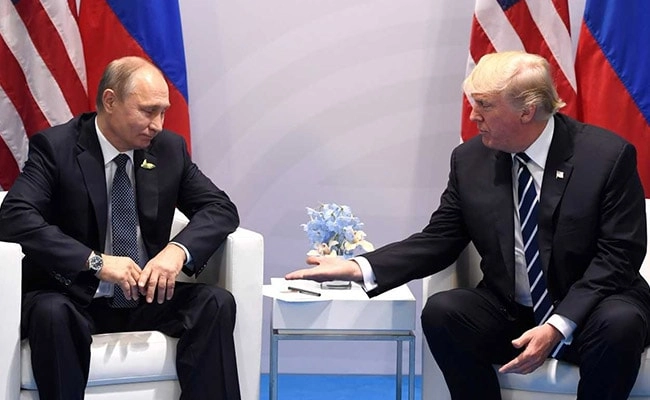
In the complex landscape of international relations, the dynamics surrounding the Israeli-Palestinian conflict have taken on new dimensions, especially with significant figures like Donald Trump and Narendra Modi influencing the narrative. Trump’s administration made bold moves, including the controversial recognition of Jerusalem as Israel’s capital, which many viewed as a gamble that could destabilize the already fragile peace efforts in the region. His approach often leaned towards a more unilateral stance, favoring Israel’s interests, which left many questioning the viability of a two-state solution and the role of the United States as an impartial mediator.
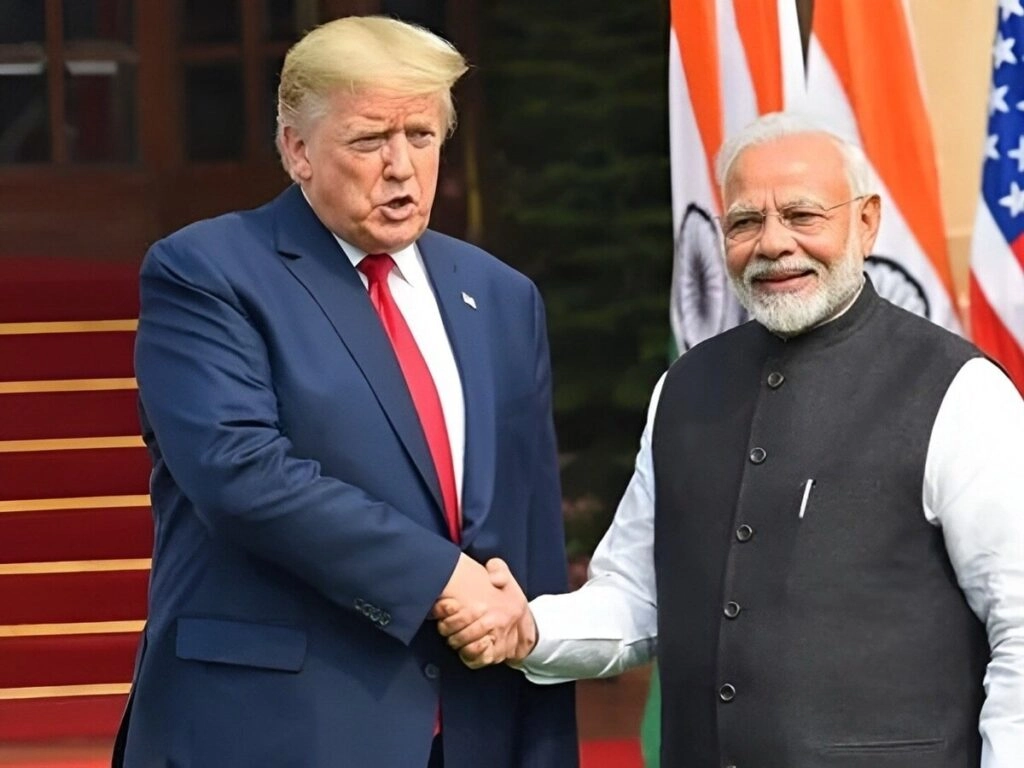
Now, as the situation in Gaza escalates, the spotlight shifts to Indian Prime Minister Narendra Modi, who is emerging as a potential key player in the pursuit of peace. Modi’s government has maintained a delicate balance in its foreign policy, advocating for dialogue and understanding while also recognizing India’s historical ties with the Palestinian people. His recent statements promote a vision of coexistence and non-violence, suggesting that under his leadership, India could play a more active role in facilitating discussions between the conflicting parties.
Modi’s involvement may represent a new hope for peace, especially given the changing geopolitical landscape. With various nations reevaluating their foreign policies, India’s growing influence could pave the way for renewed dialogue. As Modi seeks to strengthen India’s global standing, his engagement in Middle Eastern politics could help cultivate a more cooperative environment, potentially resulting in meaningful negotiations aimed at resolving the longstanding issues in Gaza. The world watches closely as Modi’s actions unfold, with many hoping that he can bridge divides and foster a sustainable peace in a region that has seen too much violence and despair.