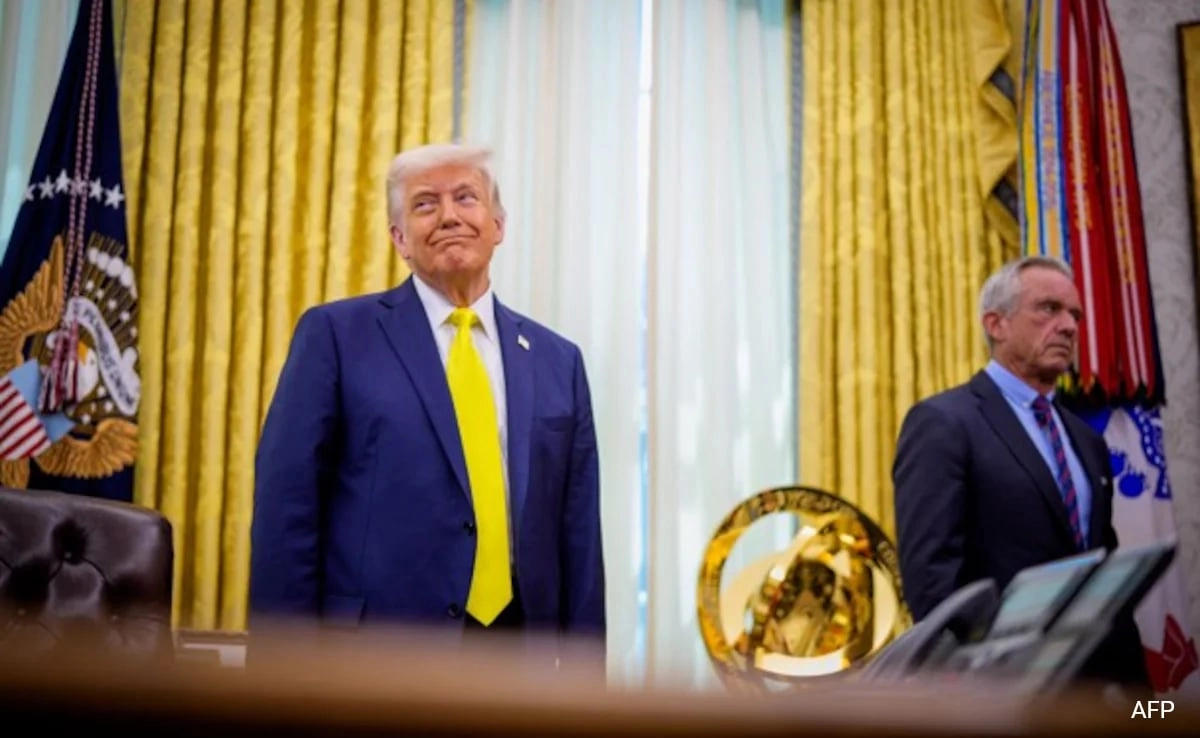
In a surprising turn of events, reports have emerged indicating that Donald Trump’s much-publicized “demand” letter to Harvard University was sent out by mistake. The letter, which made headlines due to its confrontational tone and demands for the university to take specific actions, has now been characterized as an unintended communication rather than a deliberate missive from the former president. This revelation raises questions about the internal processes within Trump’s camp and how such a significant document could be dispatched without proper oversight.
The content of the letter reportedly included requests related to academic policies and admissions practices, reflecting Trump’s ongoing concerns about educational institutions and their perceived biases. However, the acknowledgment that the letter was sent in error casts a shadow over the seriousness of its content. It suggests that there may have been a lack of clarity or coordination among Trump’s advisors, leading to a situation where a potentially damaging letter was communicated without the necessary scrutiny.
This incident also highlights the broader context of Trump’s ongoing relationship with higher education, which has often been fraught with tension. His criticisms of elite institutions and their policies have been well-documented, and this letter seemed to be another chapter in that narrative. However, the revelation of a mistake may dilute the impact of his demands and complicate his stance on these issues. As the story continues to develop, it serves as a reminder of the sometimes chaotic nature of political communications, especially in the realm of high-profile figures like Trump.
Ultimately, the misunderstandings surrounding the letter may lead to further discussions about accountability and the importance of clear communication in political discourse. In an era where every word can be scrutinized and interpreted in multiple ways, the implications of such an error could resonate beyond the immediate fallout, influencing how future communications are managed within Trump’s team and the broader political landscape.