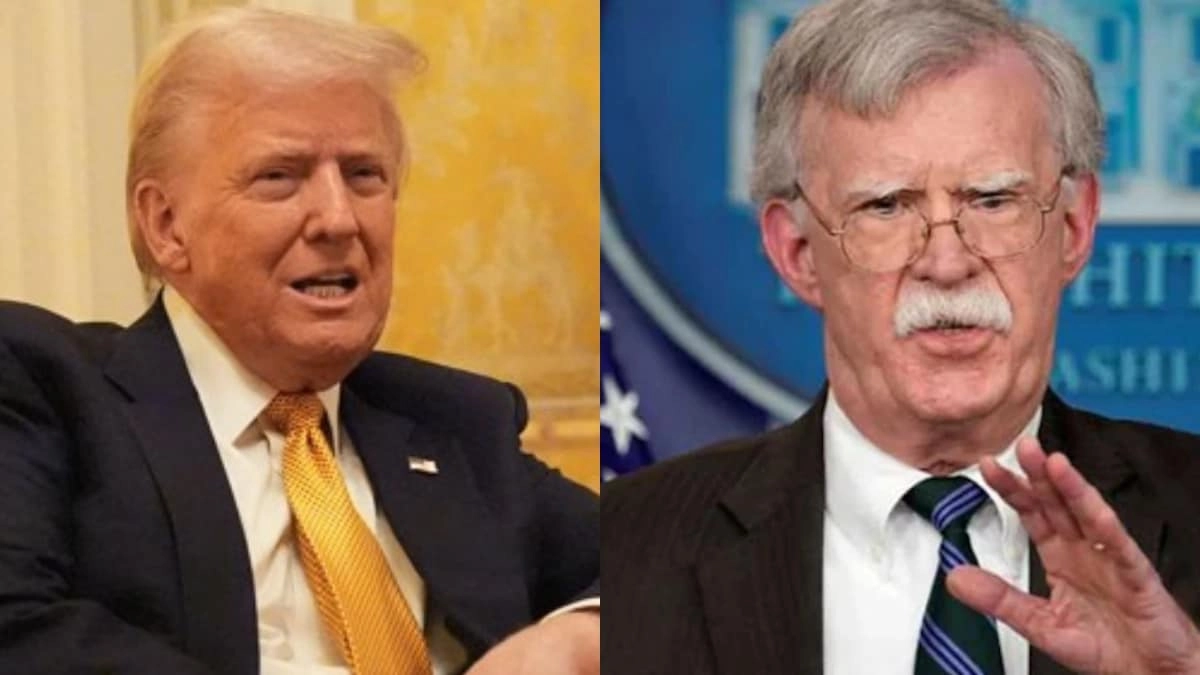
John Bolton, a former national security advisor, has raised concerns regarding the impact of Trump’s tariffs on the United States’ strategic efforts to pivot India away from its longstanding ties with Russia. Bolton’s remarks highlight a significant challenge in U.S. foreign policy, particularly as the geopolitical landscape evolves. The tariffs, implemented during Trump’s presidency, were initially aimed at protecting American industries and reducing trade deficits. However, they inadvertently complicate diplomatic relations with key allies, such as India, which has historically maintained a close relationship with Russia.
India’s dependence on Russian military equipment and energy resources poses a dilemma for U.S. interests in the region. As the U.S. seeks to strengthen its partnership with India, especially in the context of countering China’s influence, the imposition of tariffs can strain economic cooperation. Bolton argues that these tariffs have created a rift that makes it more difficult for India to diversify its defense and energy partnerships away from Russia. This situation underscores the intricate balancing act that U.S. policymakers must navigate in promoting strategic alliances while also pursuing domestic economic objectives.
Moreover, Bolton’s insights reflect a broader concern about the effectiveness of unilateral trade measures in achieving long-term geopolitical goals. The tariffs may generate short-term economic benefits for certain sectors in the U.S., but the potential long-term consequences could hinder efforts to foster stronger ties with countries like India. As the global order shifts and nations reassess their alliances, the U.S. must consider how its trade policies align with its strategic interests. The ability to persuade India to reduce its reliance on Russia will depend significantly on the U.S.’s willingness to engage in constructive dialogue and offer viable alternatives, rather than imposing barriers that may lead to further entrenchment in existing relationships.
In conclusion, John Bolton’s commentary serves as a reminder of the complexities inherent in international relations. The interplay between trade policy and foreign diplomacy necessitates a nuanced approach that carefully considers the implications of economic decisions on global alliances. As the U.S. strives to redefine its role in a multipolar world, it must adopt strategies that not only advance its economic interests but also foster collaboration and partnership with nations like India.