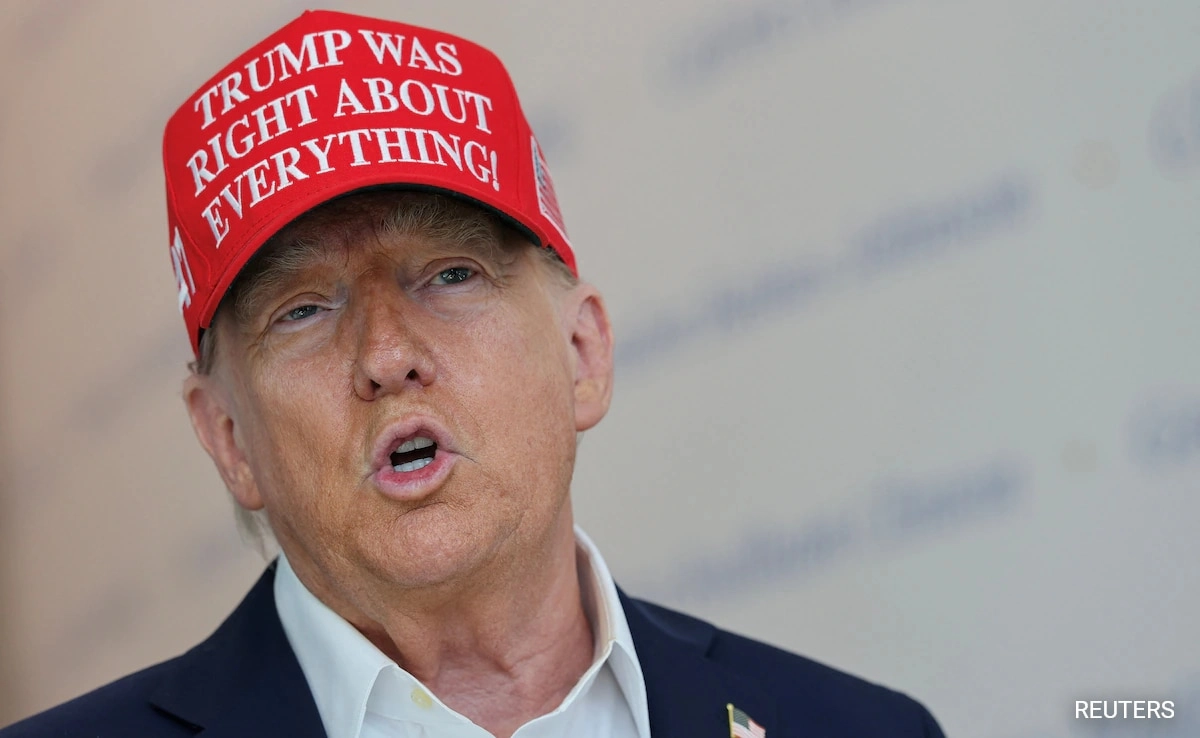
In recent discourse surrounding international relations, particularly between the United States and its key global players, Donald Trump’s approach to India reveals a significant miscalculation. Trump seems to perceive India as a softer target compared to China, underestimating the complexities and the strategic significance of the Indian economy and its geopolitical stance. His administration’s policies and rhetoric may inadvertently alienate a nation that has been a crucial partner in counterbalancing China’s rising influence in Asia.
India is not only a rapidly growing economy but also a nation that has historically maintained a non-aligned stance in global power dynamics. Trump’s tendency to project a transactional model of diplomacy overlooks the nuanced relationship that India has cultivated, both regionally and globally. Unlike China, which often engages in assertive tactics that can provoke immediate responses, India employs a more measured approach, valuing long-term partnerships and stability. By treating India as a mere extension of his broader strategy against China, Trump risks undermining the potential for a more collaborative and mutually beneficial relationship.
Furthermore, India’s democratic values and diverse society present a contrast to the authoritarian model exemplified by China. This democratic framework is integral to India’s identity and affects its foreign policy decisions. As Trump navigates trade relations and strategic alliances, it is essential to recognize that India’s interests may not always align with those of the United States, particularly if the perception arises that India is merely a pawn in a larger game against China. The misinterpretation of India’s role and its strategic calculus could lead to diplomatic friction, ultimately jeopardizing the long-term goals of both nations.
In conclusion, the notion that India is a softer target than China is a flawed perspective that could have far-reaching consequences. As global dynamics continue to evolve, it is crucial for U.S. leadership to approach India with a recognition of its unique position and aspirations. A nuanced understanding of India’s strategic priorities, along with an acknowledgment of its importance as a partner in addressing global challenges, will be essential for fostering a robust and mutually advantageous relationship. Only through a respectful and informed engagement can the United States hope to build a lasting alliance with India, transcending the simplistic narrative of competition with China.