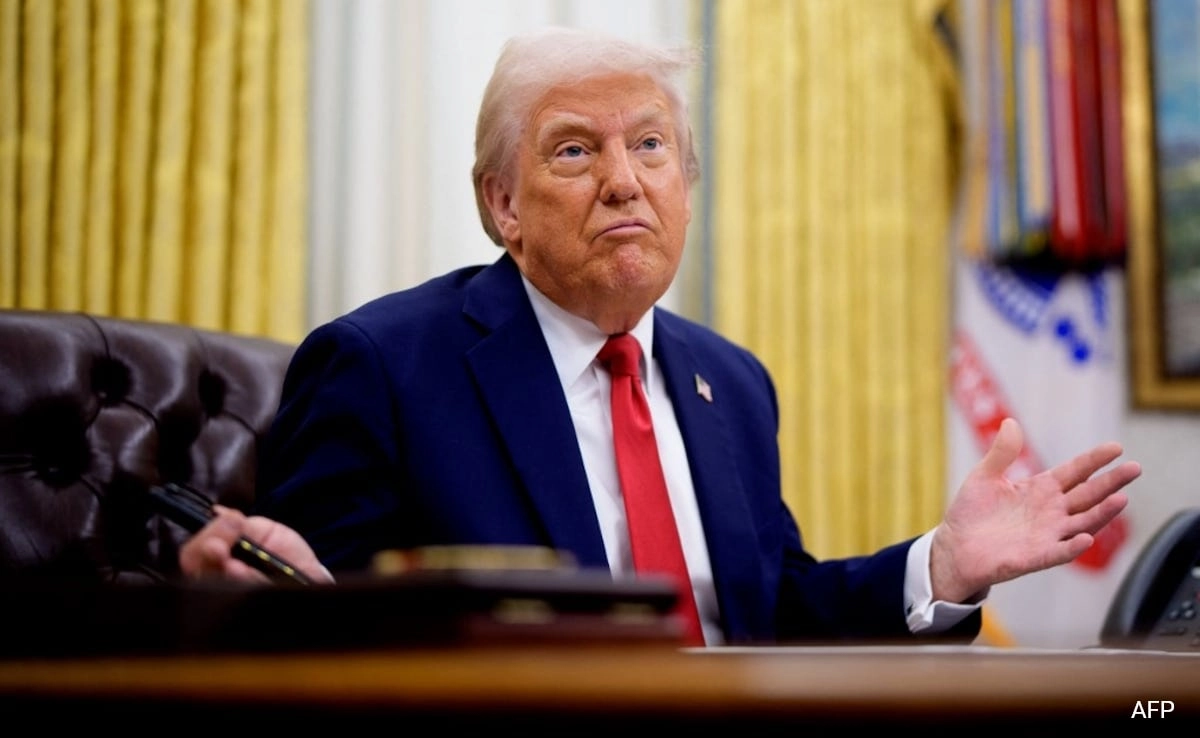
In a significant development regarding the future of TikTok in the United States, former President Donald Trump announced a 75-day extension for the popular social media platform to secure a buyer that is not based in China. This decision comes amid ongoing concerns about data privacy and national security, as TikTok, owned by the Chinese company ByteDance, has faced scrutiny over its data handling practices. The extension reflects the administration’s attempts to balance economic interests with national security considerations, as TikTok continues to be a widely used app among millions of Americans.
The deadline extension means that TikTok now has additional time to negotiate with potential buyers and explore various options to divest from its Chinese ownership. This move signifies the urgency with which the Trump administration views the potential risks posed by foreign ownership of technology companies, particularly those that handle vast amounts of user data. The administration’s actions have generated a polarized response, with supporters arguing that it is essential to protect American users from potential surveillance, while critics claim that such measures could stifle competition and innovation in the tech industry.
As the deadline approaches, various American companies have shown interest in acquiring TikTok, looking to capitalize on its expansive user base and the lucrative advertising market it presents. The negotiations are expected to be complex, involving not only financial considerations but also regulatory approvals and assurances regarding data privacy practices. This situation has placed considerable pressure on TikTok to demonstrate that it can operate independently of its Chinese parent company, ensuring that user data remains secure and protected from foreign interference.
The extension also opens up the conversation about the broader implications of foreign ownership in the tech industry. It raises questions about how countries can safeguard their digital infrastructure while still fostering an environment conducive to foreign investment and collaboration. As TikTok navigates this critical period, the outcomes of these negotiations could set important precedents for how similar situations are handled in the future, potentially impacting the dynamics of global tech ownership and the policies surrounding data privacy and security.
In summary, the 75-day extension granted to TikTok is a crucial moment in the ongoing dialogue about national security and data privacy in the digital age. As the company works towards finding a non-Chinese buyer, the implications of this decision will likely resonate far beyond the social media landscape, influencing regulatory approaches and the future of international tech partnerships. The coming weeks will be essential in determining not only TikTok’s fate but also the future landscape of technology and data security in the United States.