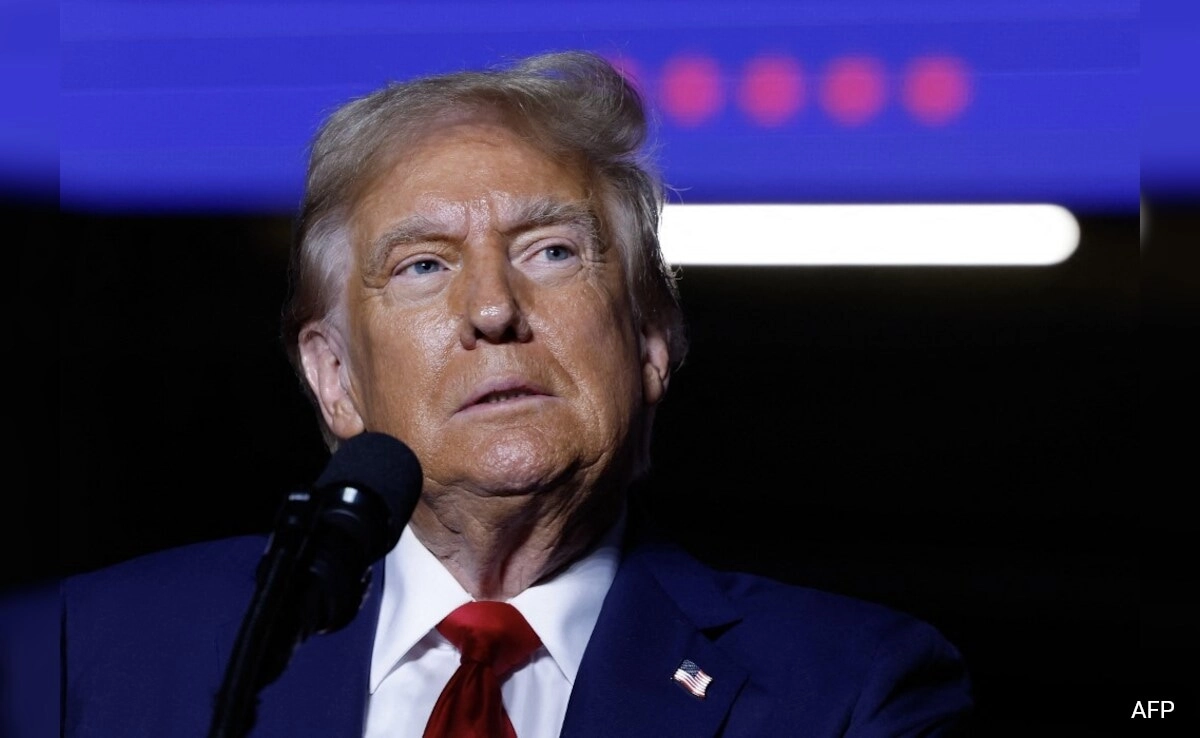
Recent discussions have emerged surrounding former President Donald Trump’s imposition of a 50% tariff on goods imported from India. While this bold move may seem to signal a potential shift in trade dynamics, leading economists suggest that such a tariff is unlikely to have lasting effects. The complexities of international trade relationships, coupled with the underlying economic principles, indicate that this tariff may be more of a temporary measure than a sustainable policy.
Economists argue that tariffs, particularly at such a high rate, can provoke retaliatory measures from the affected country. India, as a significant player in the global market, may respond by imposing its own tariffs on American goods, leading to a tit-for-tat scenario that could escalate trade tensions. Historically, similar trade disputes have resulted in negotiations that often lead to the resolution of tariffs in favor of more balanced trade agreements. The prospect of economic backlash on both sides could incentivize a quicker resolution to avoid prolonged adverse effects on businesses and consumers.
Moreover, the global economy is increasingly interconnected, and unilateral actions like imposing high tariffs can disrupt supply chains and affect various sectors beyond just the immediate import and export dynamics. Companies that rely on materials and goods from India may face higher costs, which could ultimately be passed down to consumers. This interconnectedness suggests that the long-term viability of such tariffs is questionable, as the economic repercussions could lead to a reevaluation of the strategy by policymakers.
In conclusion, while Trump’s 50% tariff on India may serve as a statement of intent regarding trade policy, it is unlikely to endure in the long run. The potential for retaliation, the interconnected nature of global trade, and the historical precedent of resolving trade disputes through negotiation all point toward a future where such tariffs are either significantly reduced or eliminated altogether. As the global economic landscape continues to evolve, the focus may shift toward fostering collaborative trade relationships that benefit all parties involved.