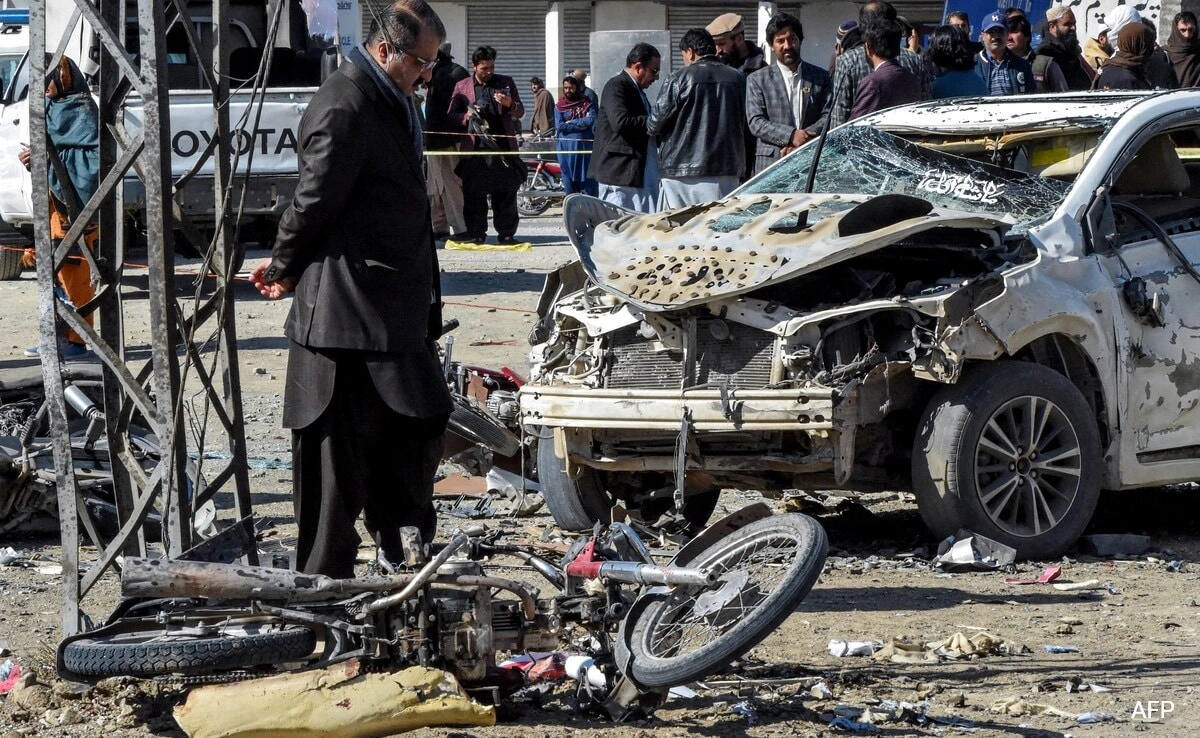
In a recent development that has heightened tensions in the region, the Taliban has claimed responsibility for a deadly suicide bombing that took place in Waziristan, Pakistan. This tragic event, which resulted in the loss of numerous lives, has ignited a fierce response from the Pakistani government, which has pointed fingers at India for allegedly orchestrating the attack. The situation underscores the complex and often volatile dynamics of South Asian geopolitics, where historical grievances and regional rivalries continue to shape the narrative.
The Waziristan attack, which targeted a crowded area, reflects the ongoing security challenges faced by Pakistan, particularly in its border regions that have been historically plagued by militancy. The Taliban’s claim of responsibility indicates their growing influence and operational capability in the region, raising concerns about the resurgence of extremist groups. In the aftermath of the bombing, the Pakistani authorities have ramped up their security measures and vowed to take decisive action against those responsible for the violence.
Amidst this chaos, Pakistan’s government has shifted the blame towards India, alleging that it has a hand in fomenting unrest within its borders. This accusation is not new; Islamabad has long accused New Delhi of supporting separatist movements and militant groups in Pakistan, particularly in regions like Balochistan and Waziristan. The cyclical nature of these allegations often complicates bilateral relations between the two countries, which have been fraught with conflict since their independence in 1947.
As the situation unfolds, it remains to be seen how both the Taliban’s resurgence and the Pakistani government’s accusations will impact the broader landscape of security and diplomacy in South Asia. The international community is closely monitoring these developments, as they could have far-reaching implications for regional stability. In a world where terrorism and geopolitical tensions are increasingly intertwined, the ability of governments to address these challenges while fostering dialogue and cooperation is more crucial than ever.