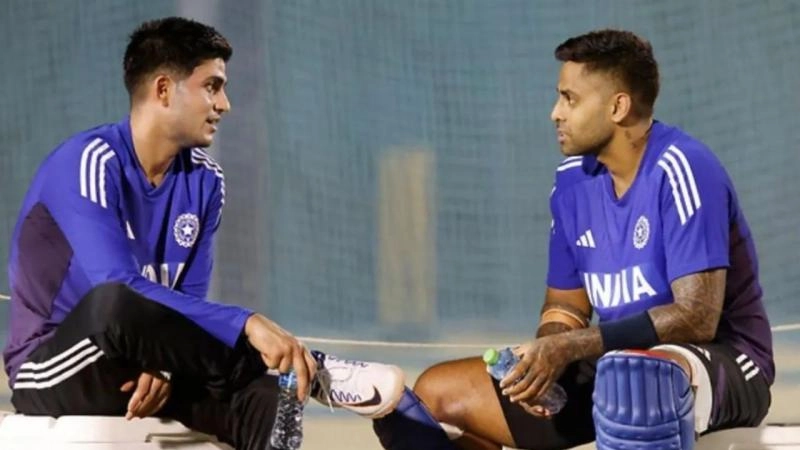
The anticipation surrounding the T20 World Cup 2026 is already stirring debates among cricket enthusiasts, particularly regarding team selections and leadership. A significant development has emerged with the announcement that Shubman Gill will not be part of the squad, which has sparked discussions about the future of the Indian cricket team. Gill, who has been a promising talent in recent years, has faced criticism for his performance in high-pressure situations, leading to speculations about his exclusion. His absence raises questions about the depth of India’s batting lineup and the potential void left by his departure.
In a surprising twist, Surya Kumar Yadav has been named captain for the upcoming tournament, a decision that has caught many by surprise. Yadav has shown remarkable form and consistency in the shorter formats of the game, making him a strong candidate for leadership. However, this shift in captaincy has led to intense debates among fans and analysts alike. Some believe that Yadav’s aggressive playing style could invigorate the team and bring a fresh perspective to their strategies, while others express concerns about his experience and ability to handle the pressures of captaincy on such a grand stage.
As the T20 World Cup approaches, these changes prompt a reevaluation of India’s approach to the tournament. The team will need to adapt quickly, especially in light of the competitive landscape of T20 cricket, where teams are constantly evolving. The selection committee faces the challenge of balancing youth and experience as they build a squad capable of performing at the highest level. Fans are eagerly awaiting the final roster, and the discussions surrounding Gill’s exit and Yadav’s leadership will undoubtedly shape the narrative as the tournament draws near. The cricketing world watches closely, ready for what promises to be an exhilarating event filled with surprises and intense competition.