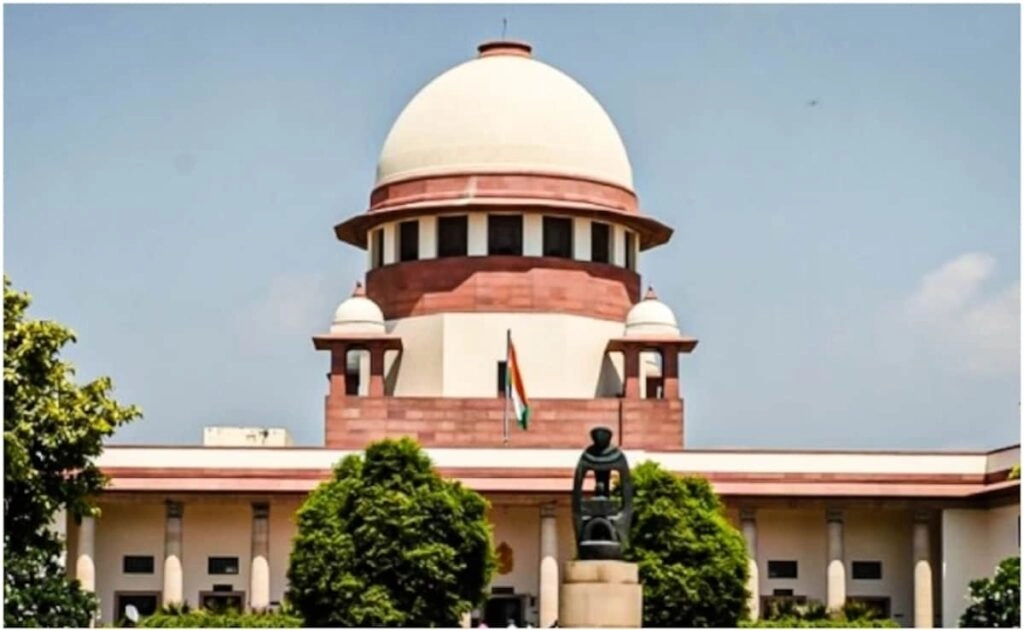
The recent discussions surrounding the Supreme Court’s stance on rave culture have ignited significant debate about the responsibilities of state governments in enforcing laws against illicit drug use at such gatherings. If the Supreme Court were to issue a decisive ruling that effectively targets rave culture, it raises a critical question: who will be responsible for implementing these measures on the ground? The state governments, given their jurisdiction over law enforcement and public safety, would need to take immediate and effective action to curb drug-related activities associated with raves.
A strong warning from the Supreme Court could serve as a catalyst for states to reevaluate their strategies for combating drug abuse and ensuring public safety. However, this also entails a substantial commitment of resources and manpower to address the complexities of rave culture, which often involves large gatherings in clandestine locations. States would need to enhance their coordination with local law enforcement agencies, health services, and community organizations to effectively tackle the underlying issues related to drug use and addiction.
Moreover, the implications of such a ruling extend beyond mere enforcement. It could foster a more profound societal dialogue about the cultural and psychological factors that drive individuals towards rave culture and substance abuse. Addressing these root causes requires a multi-faceted approach, including education, prevention programs, and support for those struggling with addiction. As states prepare to respond to potential legal changes, they must consider not only the enforcement of laws but also the broader societal implications of their actions in combating the issues associated with rave culture.