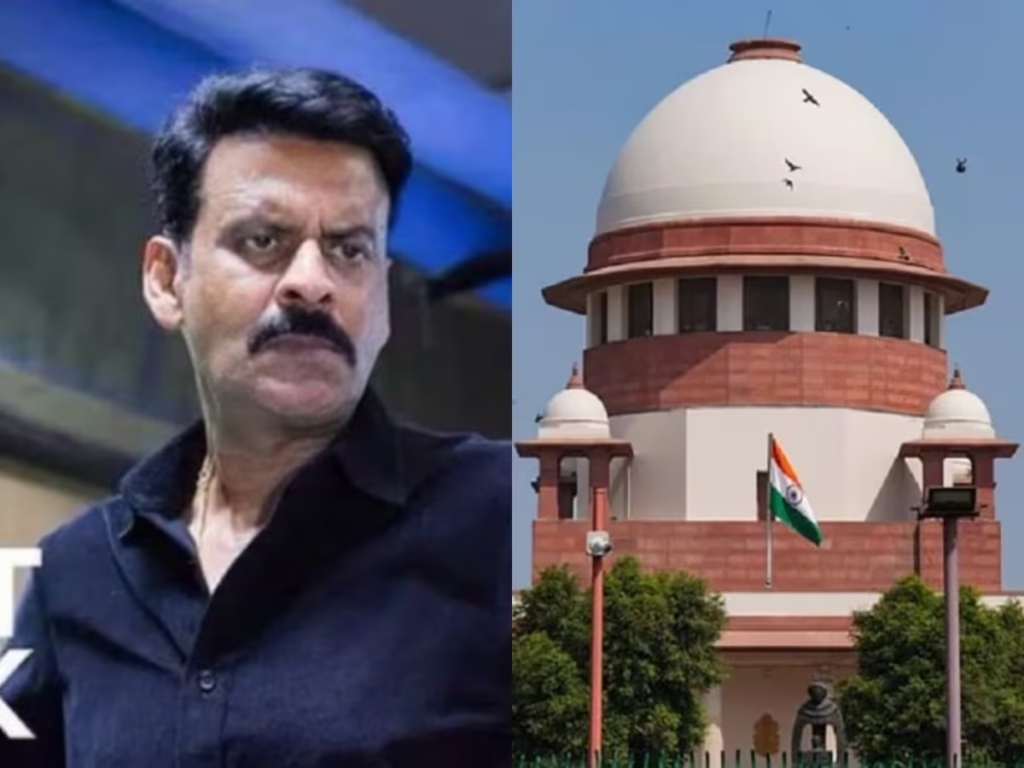
The Supreme Court recently delivered a stern rebuke to the creators of the film “Ghooshkhor Pandit,” expressing serious concerns over the portrayal of certain societal groups within the narrative. The court highlighted that the film’s content appears to intentionally malign a specific section of society, leading to the potential spread of prejudice and animosity among viewers. Such representations can have far-reaching consequences, fostering division and hatred rather than encouraging understanding and acceptance among diverse communities.
During the proceedings, the justices emphasized the responsibility of filmmakers to consider the societal impact of their work. They pointed out that media, including films, hold significant power in shaping public perception and attitudes. By depicting certain communities in a negative light, the creators of “Ghooshkhor Pandit” are not only undermining the dignity of those groups but also contributing to a broader culture of intolerance. The court firmly stated that art should serve as a bridge for dialogue and unity, rather than a tool for division and discord.
The Supreme Court’s reprimand serves as a critical reminder of the ethical obligations that come with creative expression. Filmmakers must strive to portray narratives that foster empathy and inclusivity, rather than perpetuating stereotypes or inciting hatred. The judiciary’s intervention underscores the importance of maintaining a balance between artistic freedom and social responsibility. As the discussion surrounding “Ghooshkhor Pandit” unfolds, it raises essential questions about the role of media in society and the potential consequences of its influence on public sentiment and communal harmony.