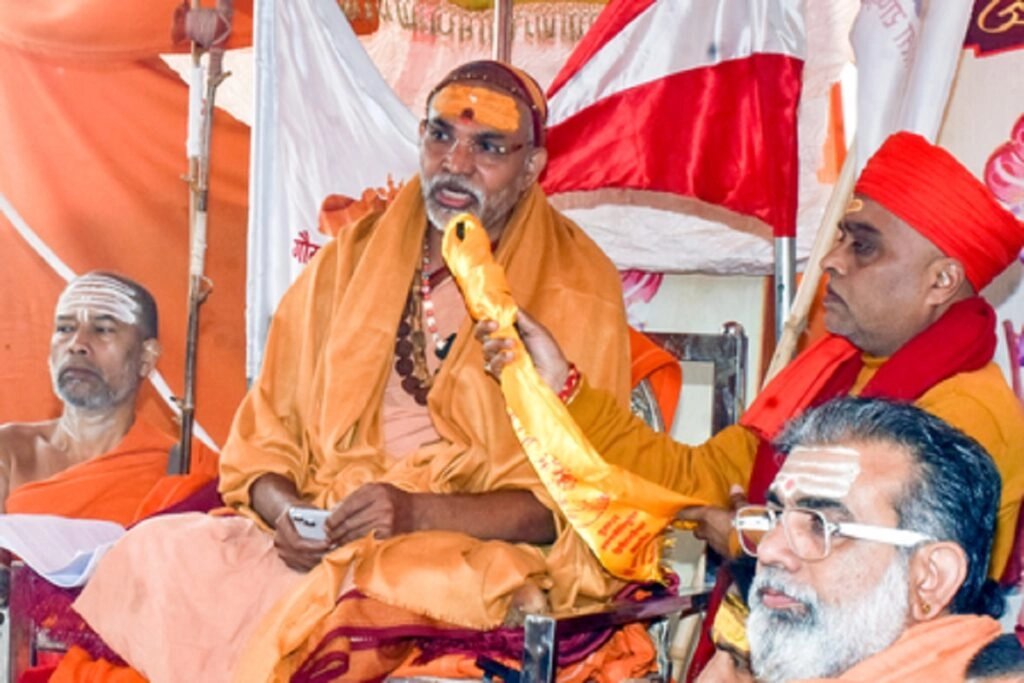
The Supreme Court has decided not to entertain a petition seeking police action against followers of Avimukteshwarananda, a prominent spiritual leader. This decision comes amid ongoing discussions surrounding the activities and influence of certain spiritual figures and their disciples. The petition had called for an investigation into the alleged misconduct of these followers, raising concerns about their actions and the potential implications for public safety and order.
The court’s refusal to hear the petition highlights the complexities involved in legal actions against religious figures and their adherents. It underscores the delicate balance between freedom of religion and the need to address potential illegal activities conducted under the guise of spiritual practice. Many observers have noted that such petitions can often lead to contentious debates about the limits of religious expression and the responsibilities of both leaders and their followers.
Supporters of Avimukteshwarananda argue that the spiritual leader promotes positive values and community welfare, while critics raise alarms about the potential for exploitation and manipulation among vulnerable individuals. The Supreme Court’s stance suggests a need for careful consideration of these issues, emphasizing the importance of protecting individual rights while also ensuring accountability. This case reflects broader societal tensions regarding faith, authority, and the role of the judiciary in matters of spiritual significance.
As the discourse continues, it remains to be seen how this decision will affect the dynamics between the legal system and religious organizations in India. The Supreme Court’s ruling may deter similar petitions in the future, reinforcing the principle that not all grievances related to spiritual practices warrant judicial intervention. Ultimately, this case serves as a reminder of the intricate interplay between law, religion, and society, prompting ongoing reflection on the responsibilities of both the state and religious communities.