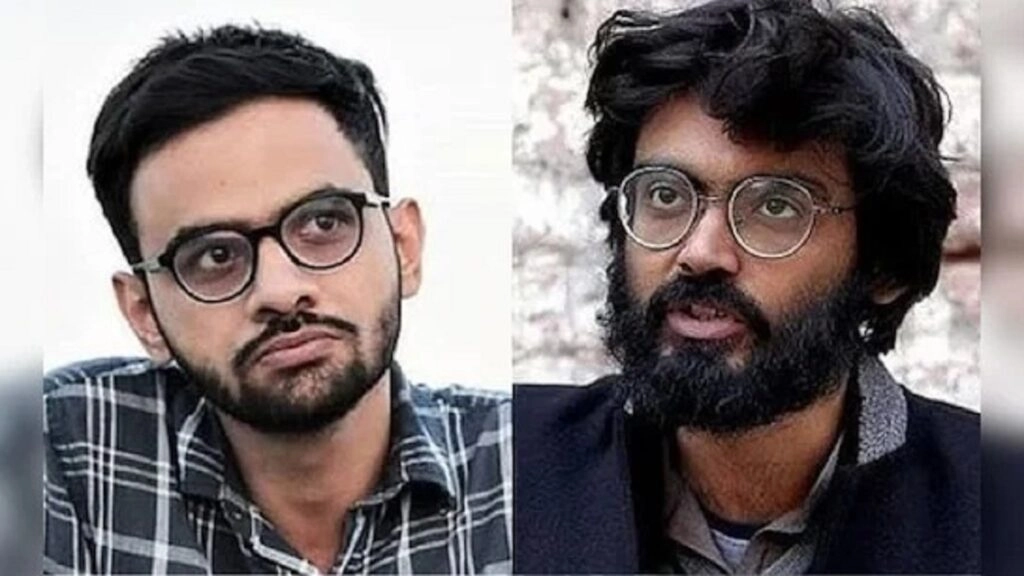
In a significant decision regarding the Delhi riots case, the Supreme Court has rejected the bail applications of Omar Khalid and Sharjeel Imam. Both individuals have been implicated in the violence that erupted in Delhi in February 2020, which resulted in extensive communal unrest and numerous casualties. The Supreme Court’s ruling underscores the seriousness of the charges against them, which include sedition and conspiracy. The court’s denial of bail reflects its concern over the gravity of the allegations and the potential impact on public order if the accused were released.
Omar Khalid and Sharjeel Imam are prominent figures known for their involvement in protests against the Citizenship Amendment Act (CAA) and National Register of Citizens (NRC). Their activism has drawn significant attention, and their arrests have sparked debates about free speech, dissent, and the limits of protest in the context of India’s complex political landscape. The Delhi riots have been a focal point of these discussions, raising questions about communal tensions, state response, and the role of individual activists in shaping public discourse.
The rejection of bail not only affects Khalid and Imam but also sends a broader message about the judiciary’s stance on cases related to communal violence and dissent. As the legal proceedings continue, the implications of this ruling may resonate beyond the immediate context, influencing future cases and the treatment of activists in India. The Supreme Court’s decision highlights the delicate balance between upholding law and order and ensuring the rights of individuals accused of serious crimes. As the situation evolves, it remains crucial to monitor how these developments will impact the broader narrative surrounding civil liberties and political dissent in the country.