
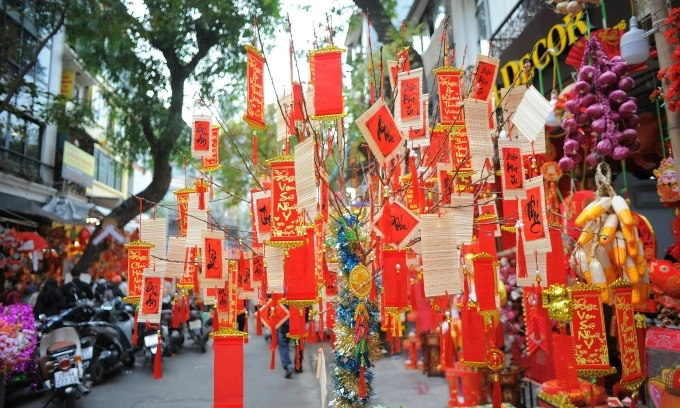
Lunar New Year, also known as Chinese New Year, is a significant cultural celebration in many Southeast Asian countries, particularly those with substantial Chinese populations. However, not all Southeast Asian nations observe this holiday. Countries like Vietnam, Singapore, Malaysia, and Indonesia have vibrant Lunar New Year festivities, showcasing rich traditions and customs tied to the occasion. In Vietnam, for instance, the celebration is known as Tet Nguyen Dan, marked by family reunions, special meals, and various rituals to honor ancestors. Similarly, in Singapore and Malaysia, the holiday is recognized widely, with public celebrations, decorations, and community events that reflect the cultural diversity of these nations.
Conversely, some Southeast Asian countries do not celebrate Lunar New Year at all. For instance, Thailand, while having a significant Chinese population, primarily observes its own New Year festival called Songkran, which is celebrated in mid-April. This water festival marks the traditional Thai New Year and is characterized by vibrant celebrations, water fights, and cultural events. In contrast, Myanmar and the Philippines also do not have a significant tradition of celebrating Lunar New Year. In Myanmar, the predominant celebration is Thingyan, the water festival that occurs in April, while the Philippines celebrates its own New Year on January 1, reflecting the influence of Western traditions.
Countries like Cambodia and Laos have their unique New Year celebrations, known as Khmer New Year and Pi Mai, respectively, which take place in April and are deeply rooted in local customs and religious practices. These festivals involve family gatherings, traditional games, and various rituals aimed at welcoming the new year with positivity and good fortune. Although these nations may have smaller Chinese communities, Lunar New Year does not play a central role in their cultural calendar, showcasing the rich tapestry of traditions that exist in Southeast Asia.
Thus, while Lunar New Year is a prominent event in many Southeast Asian countries, it is not universally celebrated across the region. The diversity of cultural practices and historical influences contributes to the varying observances of New Year celebrations, highlighting the unique identities and traditions of each country. Understanding these differences enriches our appreciation for the cultural landscape of Southeast Asia as a whole.


