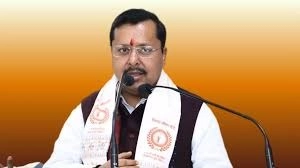
In recent developments within the political landscape of Bihar, there has been a noticeable shift in the dynamics surrounding brotherhood and cultural alliances. The interactions and meetings involving influential figures such as Nitin and Naveen are indicative of an emerging order that seeks to redefine traditional political relationships. This change is particularly significant in a state like Bihar, where cultural ties and familial connections have historically played a pivotal role in shaping political affiliations and strategies.
As political leaders navigate the complexities of Bihar’s diverse social fabric, the emphasis on brotherhood can potentially create a new framework for collaboration and coalition-building. The meetings with Nitin and Naveen signal an intent to foster unity among various factions, transcending past rivalries and focusing on common goals. This approach may not only strengthen their political standing but also resonate with the electorate, who often value interpersonal relationships and cultural coherence in their leaders.
The implications of this newfound political order are far-reaching. It suggests a strategic pivot towards inclusivity and a more collaborative governance model. By prioritizing dialogue and partnership over divisiveness, Bihar’s political leaders may effectively address pressing issues such as development, social justice, and economic growth. This could lead to a more cohesive political environment, where the principles of brotherhood are not merely symbolic, but are actively integrated into the policymaking process.
As the political landscape continues to evolve, the outcome of these meetings could set a precedent for future political interactions in Bihar. If successful, this model of cooperation and cultural alignment may inspire other regions to adopt similar practices, ultimately contributing to a more stable and unified political climate across the country. The unfolding narrative of brotherhood in Bihar politics, particularly through the lens of Nitin and Naveen’s meetings, is one to watch closely as it may herald a transformative era in the state’s governance and political relationships.