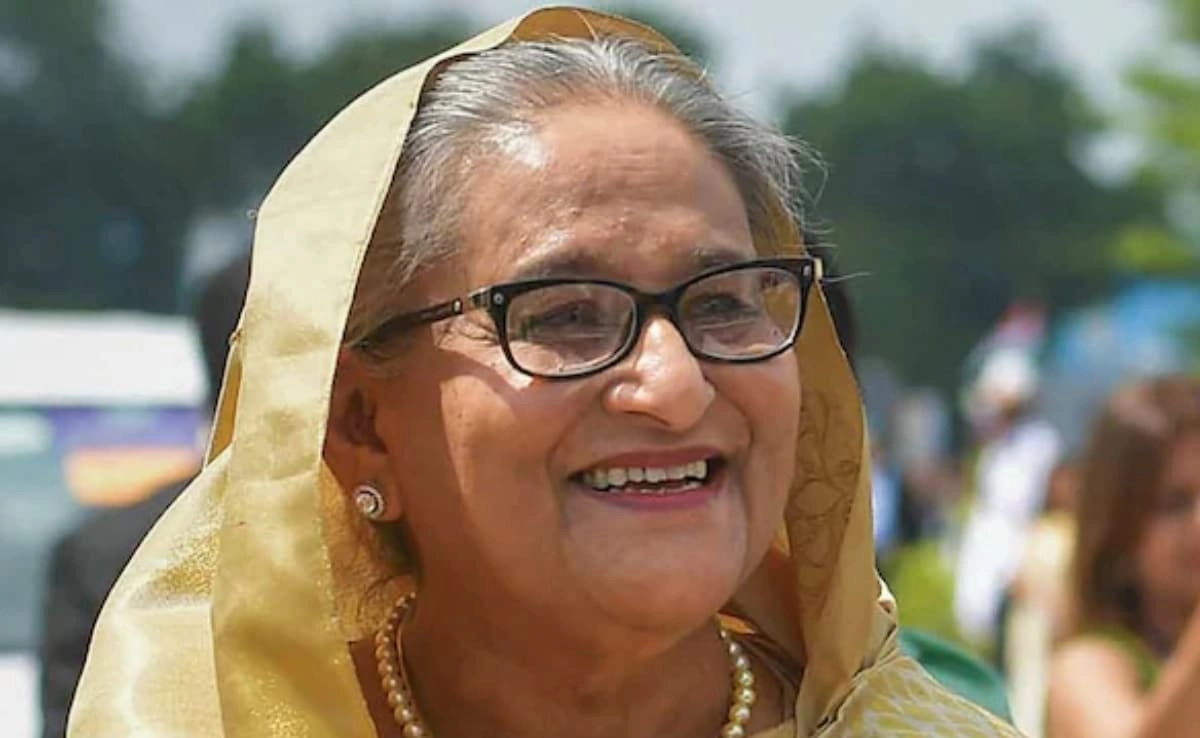
On July 1, a significant hearing is scheduled to take place regarding the case against Sheikh Hasina, the Prime Minister of Bangladesh, focusing on allegations of crimes against humanity. This legal proceeding has garnered considerable attention both domestically and internationally, as it raises critical questions about accountability and justice in the context of political conflicts and human rights abuses. The case alleges that Sheikh Hasina’s government has been involved in systematic violations against various groups, particularly during times of political turmoil, and the hearing is expected to address these serious accusations in detail.
The implications of this hearing extend beyond the courtroom, touching on the broader issues of governance, rule of law, and human rights in Bangladesh. Critics argue that the current administration has utilized state power to suppress dissent and target opposition figures, leading to a climate of fear and repression. Supporters of the Prime Minister, on the other hand, maintain that the allegations are politically motivated attempts to undermine her leadership and destabilize her government. As the hearing approaches, both sides are preparing for a legal battle that could potentially reshape the political landscape in Bangladesh.
International observers are closely monitoring the developments of this case, as it could set a precedent for how allegations of crimes against humanity are addressed in the region. The outcomes of such hearings often influence not only national policies but also international relations, particularly in countries where human rights issues are contentious. Human rights organizations have expressed concern over the lack of accountability for political leaders in situations involving widespread abuses, emphasizing the need for thorough investigations and transparent judicial processes. The July 1 hearing will be a pivotal moment in determining whether Bangladesh will take steps toward reconciling its troubled past and ensuring justice for those affected by political violence.