
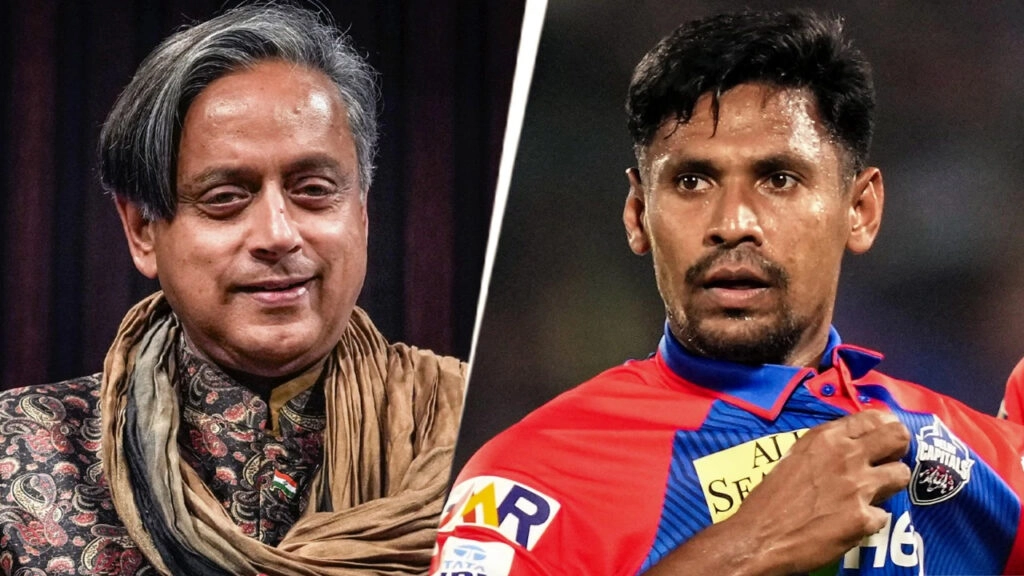
When Mustafizur Rahman, the talented Bangladeshi cricketer, was excluded from the Indian Premier League (IPL), it sparked a significant reaction from Shashi Tharoor, the prominent Indian politician and author. Tharoor, known for his eloquent expressions and strong opinions on cricket, took to social media to voice his discontent regarding the decision made by the Board of Control for Cricket in India (BCCI). His inquiry raised eyebrows and set the stage for a lively debate within the cricket community and among fans.
Tharoor’s question to the BCCI was pointed and thought-provoking, highlighting the complexities of player selections in such a competitive league. He emphasized the need for transparency in the selection process, calling into question the criteria used to assess players and their qualifications for participation in the IPL. The absence of Mustafizur, who has proven his mettle as a skilled bowler, particularly in T20 formats, raised concerns about the impact of such decisions on the league’s competitiveness and the representation of international players.
The uproar that followed Tharoor’s remarks underscored the passion that cricket generates in India and the influence of public figures in shaping discussions around the sport. Fans and analysts alike weighed in on the situation, debating the implications of the BCCI’s choices and the potential effects on players’ careers. This incident not only shed light on the challenges faced by players in securing spots in prestigious tournaments but also revealed the broader issues of governance and accountability within cricket administration. As the conversation continued, it became evident that Mustafizur’s exclusion was not just a matter of personal disappointment but a catalyst for a larger conversation about fairness and equity in professional sports.


