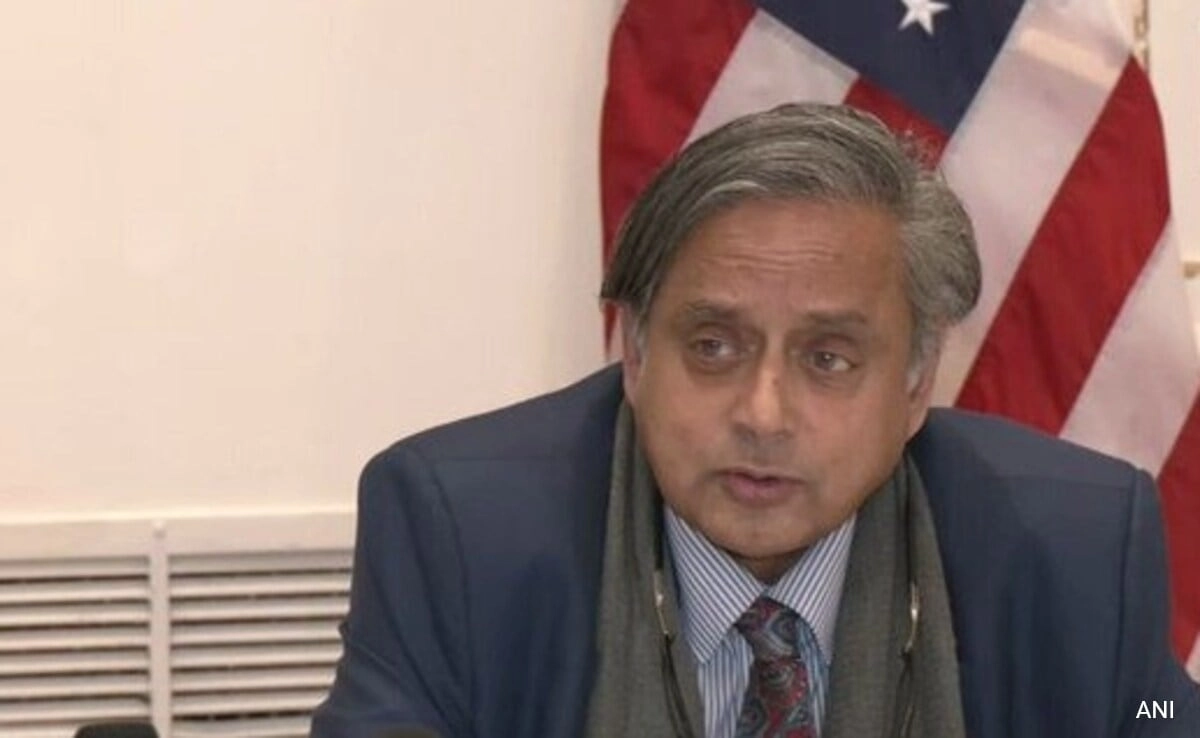
In a recent interaction, Shashi Tharoor, a prominent Indian politician and author, shared his thoughts on the challenges of working in government during a session in Pahalgam. His remarks have sparked considerable attention, as he candidly advised young people to reconsider a career in public service. Tharoor’s stance stems from his experiences, where he highlighted the bureaucratic inefficiencies and the often frustrating nature of governmental processes. He emphasized that while public service can be noble and fulfilling, it frequently comes with a set of challenges that may disillusion aspiring civil servants.
Tharoor painted a vivid picture of the hurdles faced by government employees, illustrating how the bureaucratic red tape can stifle creativity and hinder effective governance. He underscored that those entering the field must be prepared for a system that may not always reward merit or innovation. His comments resonated with many, especially the youth who are often idealistic about making a difference through government roles. The seasoned politician urged them to carefully weigh their options, suggesting that there are numerous avenues outside of government where they could still make a significant impact on society.
Moreover, Tharoor’s perspective reflects a broader conversation about the state of governance in India. It raises important questions about the structure and functioning of public institutions, and whether they are equipped to meet the needs of a rapidly evolving society. The call to explore alternative career paths suggests a need for reform within government systems to attract and retain talent, ensuring that those who are passionate about public service can thrive without being hindered by outdated bureaucratic practices. His advice serves as a crucial reminder that while the intent to serve the public good is admirable, the reality of navigating the complexities of government can be daunting.
Ultimately, Tharoor’s insights invite a re-evaluation of how society views public service careers. They challenge the notion that working in government is the only way to contribute to societal progress. Instead, they encourage young individuals to think critically about their career choices and to seek opportunities that align with their values and aspirations. Whether through entrepreneurship, non-profit work, or other sectors, there are myriad ways to serve the community and effect change without being confined to the limitations often found in government roles. This perspective not only empowers youth but also enriches the discourse on public service and its role in contemporary society.