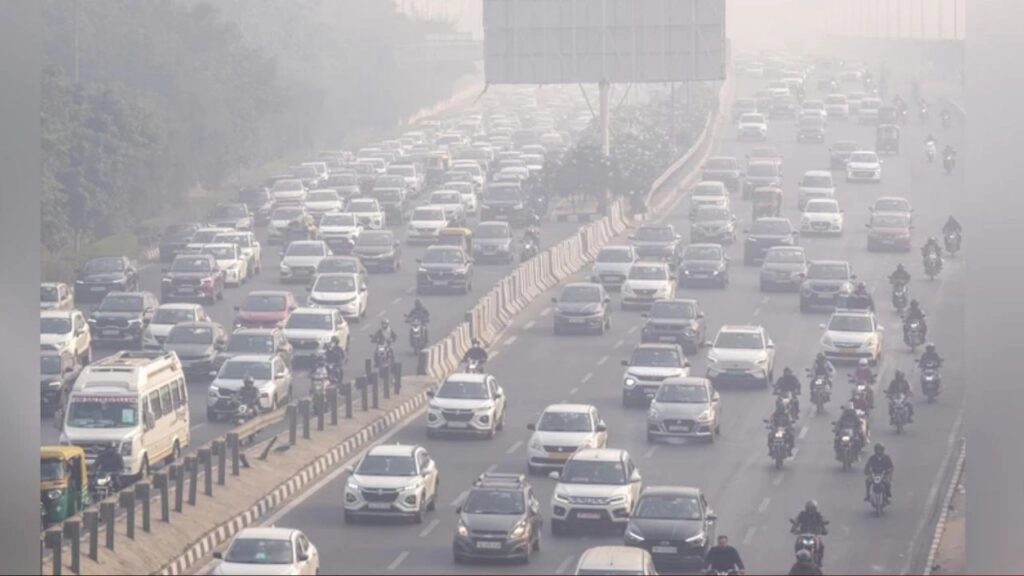
Air pollution has become a critical issue in numerous cities across the country, with Ghaziabad, located in close proximity to the capital city of Delhi, being one of the most affected areas. The deteriorating air quality in Ghaziabad is alarming, as the city frequently witnesses hazardous levels of air pollution, particularly during the winter months. Various factors contribute to this grim situation, including vehicular emissions, industrial discharge, and construction activities that release significant amounts of particulate matter into the atmosphere. The combination of these pollutants results in smog and a toxic environment that poses serious health risks to the residents.
In Ghaziabad, the air quality index (AQI) often reaches alarming levels, frequently crossing the thresholds defined for unhealthy or hazardous conditions. The impact of such pollution on public health cannot be overstated. Residents are increasingly reporting respiratory issues, cardiovascular diseases, and other health complications linked to prolonged exposure to polluted air. Vulnerable groups, including children and the elderly, are at an even greater risk, facing the dire consequences of this environmental crisis. The government and local authorities are under immense pressure to implement effective measures to combat air pollution and safeguard public health.
Addressing air pollution in Ghaziabad requires a multifaceted approach. Initiatives such as promoting the use of public transportation, implementing stricter regulations on industrial emissions, and encouraging green practices among residents can contribute to improving air quality. Additionally, raising awareness about the importance of reducing air pollution and its effects on health is essential for mobilizing community action. Collaboration between government entities, non-profit organizations, and citizens will be crucial in developing long-term solutions to this pressing issue.
In conclusion, the air pollution crisis in Ghaziabad reflects a broader environmental challenge faced by many urban areas in the country. The urgency of the situation calls for immediate attention and action from all stakeholders. By taking proactive steps to reduce emissions and promote cleaner alternatives, it is possible to achieve a healthier and more sustainable environment for current and future generations.