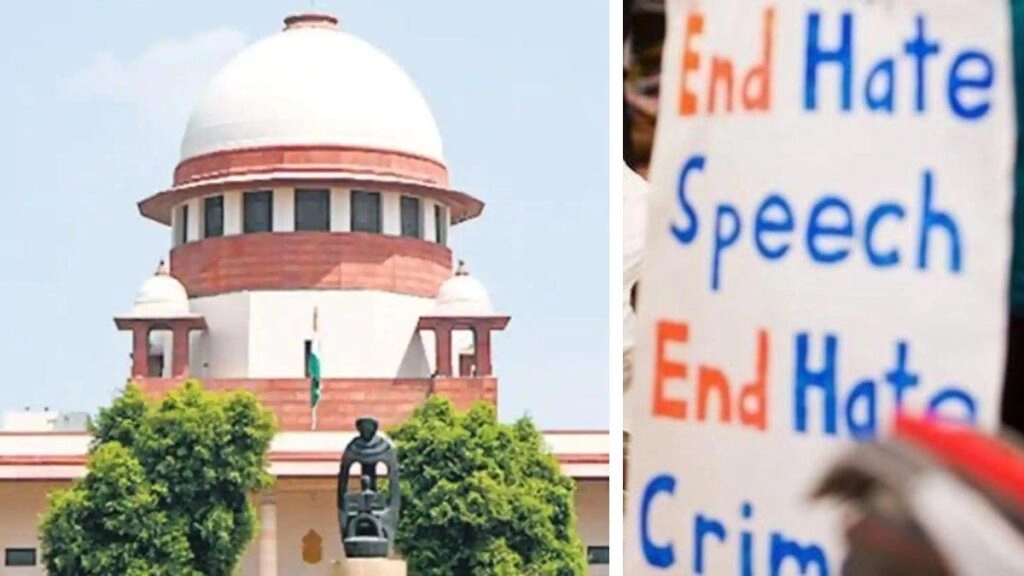
The Supreme Court recently expressed strong disapproval towards a petitioner for exhibiting a selective approach regarding a petition on hate speech. The court emphasized the importance of consistency and fairness in addressing such sensitive issues. It highlighted that the petitioner appeared to focus only on specific instances of hate speech while ignoring others that may be equally harmful or significant. This selective attention raises concerns about the motives behind the petition and the broader implications for freedom of expression and public discourse.
The court’s reprimand serves as a reminder that hate speech is a complex issue that cannot be tackled through a narrow lens. It underlined the need for a comprehensive understanding of the various dimensions of hate speech, which includes recognizing the diverse contexts in which it occurs. By selectively choosing which incidents to highlight, the petitioner risks undermining the fight against all forms of hate speech and discrimination. The Supreme Court called for a more holistic approach that considers the impacts of hate speech across different communities and social groups.
Moreover, the court’s stance reflects a broader concern regarding the need for balanced and equitable legal frameworks that address hate speech without infringing on fundamental rights. It is crucial to ensure that actions taken against hate speech do not inadvertently suppress free speech or create a chilling effect on open dialogue. The Supreme Court’s critique encourages petitioners to advocate for justice in a manner that is inclusive and reflective of the diverse society in which we live. Ultimately, the case underscores the importance of a fair and unbiased approach to addressing hate speech, ensuring that all voices are heard and respected in the pursuit of justice.