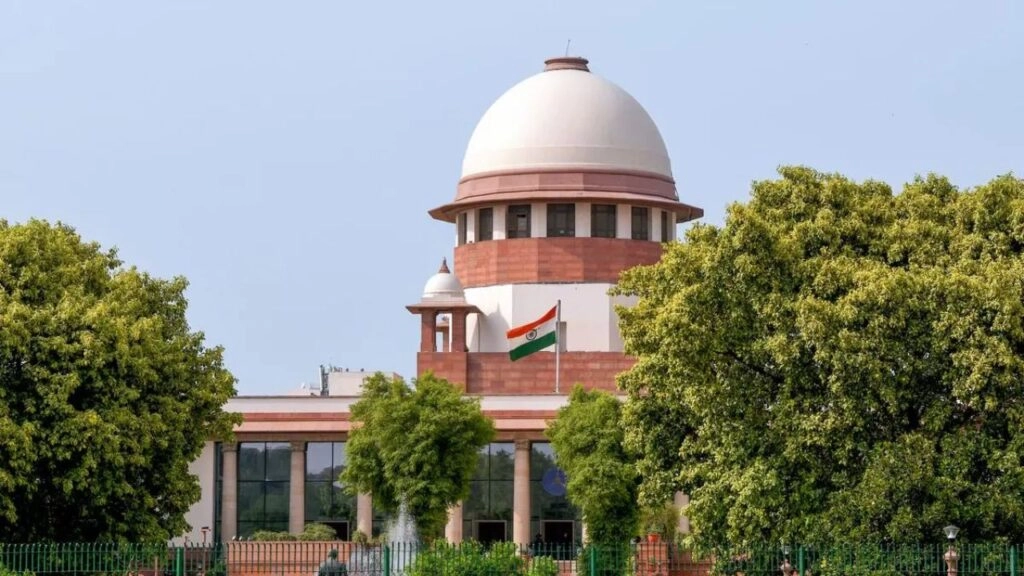
The Supreme Court of India has granted bail to filmmaker Vikram Bhatt and his wife, Shwetambari Bhatt, in connection with a significant cheating case involving an amount of ₹30 crore. The case has garnered considerable media attention, given Bhatt’s prominence in the Indian film industry. The legal proceedings had raised questions about the nature of the allegations against the couple, as well as the implications for their professional and personal lives.
Vikram Bhatt, known for his work in horror and romantic genres, faced serious charges that could have had a profound impact on his career. The cheating allegations reportedly stemmed from a business deal that went awry, leading to claims of financial misconduct. The couple’s legal team argued that the charges were exaggerated and that they had cooperated fully with the investigation. The Supreme Court’s decision to grant bail was seen as a relief for the couple, allowing them to navigate the legal complexities outside of incarceration.
The bail ruling also highlights the judiciary’s approach to cases involving high-profile individuals. In many instances, the courts have emphasized the importance of due process and the presumption of innocence until proven guilty. As the case unfolds, it will be crucial to observe how it influences the Bhatt couple’s future projects and their standing within the film community. The outcome could have broader implications for others in the industry facing similar allegations, as it raises questions about accountability and the legal ramifications of business dealings in the creative sector.