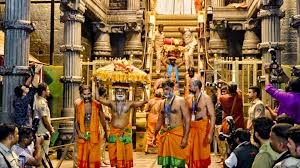
The entry of women into the Sabarimala temple has ignited significant political tensions in Kerala, leading to clashes ahead of the upcoming elections. The Sabarimala temple, a prominent pilgrimage site dedicated to Lord Ayyappa, has traditionally prohibited the entry of women of menstruating age, a practice rooted in age-old customs. However, a landmark Supreme Court ruling in 2018 deemed this ban unconstitutional, allowing women to enter the temple. This decision has been met with widespread opposition from various religious groups and devotees who believe that the temple’s traditions should be upheld.
In the lead-up to the elections, political parties in Kerala have seized upon the controversy to rally support from their respective bases. The ruling Left Democratic Front (LDF) and the opposition United Democratic Front (UDF) have both taken stances that reflect their ideological beliefs, leading to heightened tensions in the state. Supporters of the women’s right to enter the temple argue that the ruling is a victory for gender equality, while opponents maintain that it undermines religious freedoms and traditional practices.
As protests and counter-protests erupt across Kerala, the situation has escalated into a flashpoint for broader discussions about women’s rights, religion, and secularism in India. Many activists and women’s rights organizations have voiced their support for the right to enter Sabarimala, emphasizing that the fight transcends religious boundaries and is fundamentally about the empowerment of women. Conversely, conservative factions have rallied to preserve the temple’s long-standing customs, framing their opposition as a defense of religious identity.
The political ramifications of the Sabarimala issue are significant, as both major parties navigate this contentious landscape to gain electoral advantage. With tensions running high and public sentiment deeply divided, the Sabarimala entry controversy is poised to remain a critical issue in the Kerala elections, shaping the discourse around women’s rights and religious freedom in the region. The outcome of this struggle will likely have lasting implications, not only for the temple but for the broader societal norms regarding gender and tradition in India.