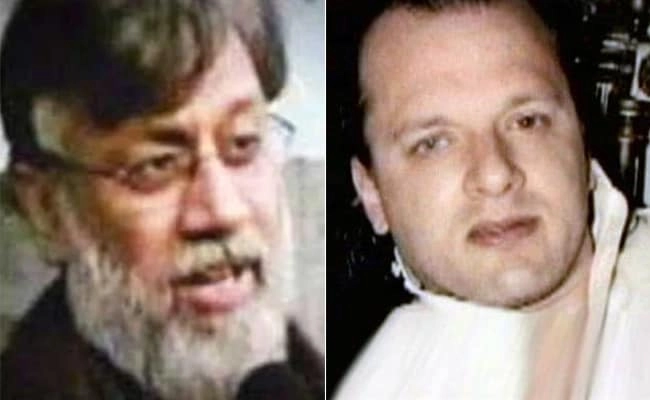
The chilling plot orchestrated by Tahawwur Rana and David Headley to behead employees of a prominent newspaper underscores the complexities of terrorism in the modern age. Both men, with their backgrounds and motivations, showcased how radical ideologies can morph into violent action. Headley, a Pakistani-American, had connections with extremist groups and was instrumental in planning the 2008 Mumbai attacks. His partnership with Rana, a Pakistani-Canadian, highlighted a disturbing collaboration that crossed international borders. Their target, a newspaper known for its critical stance against Islamic extremism, was emblematic of a broader issue: the perceived threat to radical beliefs posed by freedom of expression.
The plot was meticulously crafted, revealing the lengths to which individuals will go to impose their ideologies on others. Headley, leveraging his skills in surveillance and communication, gathered intelligence on the newspaper’s operations and employees. Rana’s role was equally pivotal, as he provided logistical support and facilitated the necessary groundwork for the attack. Their discussions and planning sessions illustrated a disturbing mindset: the belief that violence was an acceptable means of silencing dissenting voices. This mindset not only poses a threat to individual lives but also to the very fabric of democratic societies that cherish freedom of speech and the press.
The arrest of both individuals ultimately thwarted their plans, but not without raising significant concerns about the rise of radicalization among individuals in the West. Their case serves as a warning that extremism can infiltrate even the most unsuspecting communities, leading to potential violence against those who dare to challenge it. The plot to behead newspaper employees is a stark reminder of the ongoing battle against hate-driven violence and the need for vigilance in protecting freedom of expression. As societies grapple with these issues, it becomes imperative to foster dialogue and understanding, countering extremism through education and awareness rather than fear.