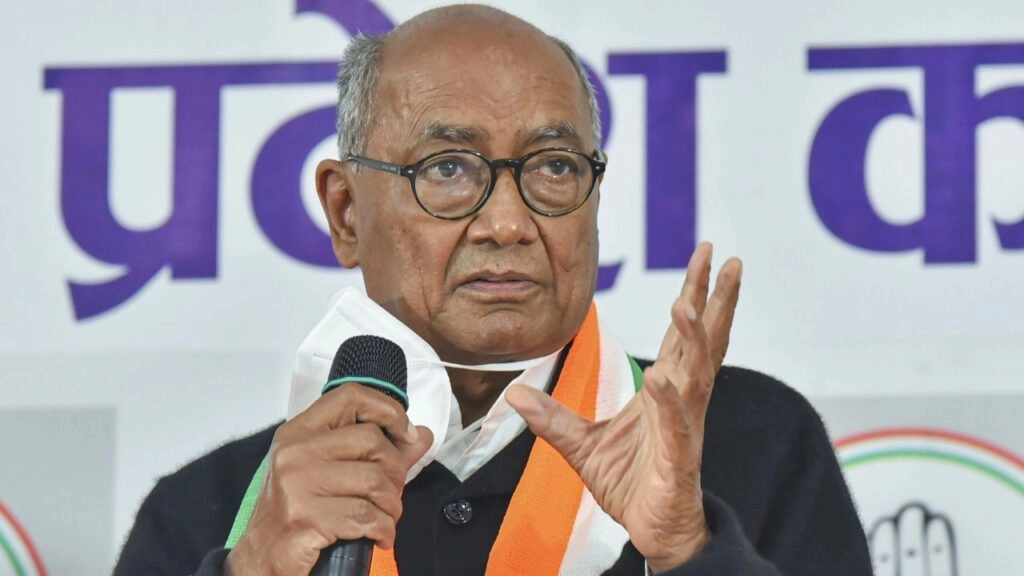
Ram Rahim Singh, the controversial leader of the Dera Sacha Sauda sect, has once again been granted parole, this time for a duration of 40 days. This decision has sparked widespread debate and raised questions about the implications of his release on parole. Many are left wondering whether this is a form of punishment or merely a privileged excursion for the convicted individual. The Haryana government’s approval of his parole has ignited discussions about the justice system and the criteria under which such releases are granted.
Singh, who is currently serving a sentence for serious criminal offenses, including rape and murder, has a history of being granted parole, which has led to criticism from various quarters. Detractors argue that allowing him to roam freely undermines the severity of his crimes and sends a troubling message about the judicial process in India. Supporters of the parole may argue that it is a necessary measure for rehabilitation or that it aligns with the rights of inmates to occasionally experience life outside of prison walls. However, the timing and conditions surrounding such a release often raise eyebrows, especially given Singh’s significant influence over a large follower base.
The implications of Ram Rahim Singh’s parole extend beyond his personal circumstances. His release could potentially mobilize his followers, leading to public gatherings or events that might pose a challenge to law enforcement. The state’s responsibility to maintain order becomes crucial in such scenarios, and many are concerned about the potential for unrest. Furthermore, this situation reflects broader issues within the Indian justice system, particularly regarding how parole decisions are made and who benefits from them. As the discourse unfolds, it remains to be seen how this latest development will affect both the legal landscape and the socio-political climate in Haryana and beyond.