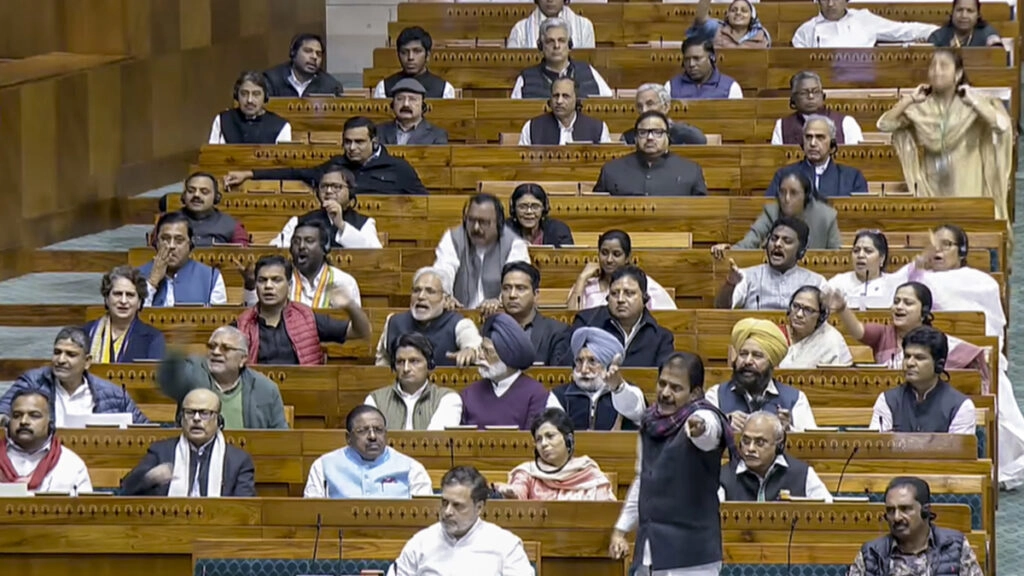
In recent statements, Rahul Gandhi has expressed serious concerns regarding the integrity of India’s electoral process, suggesting that democracy itself is at risk. His remarks come in the wake of perceived shortcomings in the functioning of the Election Commission (EC) and the broader electoral framework. Gandhi’s criticism highlights a growing unease among opposition parties, who are now rallying together to advocate for substantial electoral reforms. This coalition of dissent is rooted in a collective belief that the current system is failing to uphold democratic values and ensure free and fair elections.
The opposition’s demand for reform is driven by various factors, including allegations of bias within the Election Commission and instances of irregularities that have marred recent electoral processes. Leaders across party lines are calling for transparency, accountability, and significant changes to the electoral laws to restore public confidence in the democratic system. They argue that for democracy to flourish, it is essential to have an electoral body that operates independently and is free from political influence.
Gandhi’s comments and the subsequent unification of opposition parties signal a pivotal moment in Indian politics. The growing consensus among various political factions indicates a recognition of the urgent need for reform, as well as a commitment to safeguarding democratic principles. This movement could potentially reshape the political landscape, as parties work together to address the challenges facing the electoral system and to ensure that future elections reflect the will of the people. The call for electoral reforms is not merely a political strategy; it embodies a broader commitment to preserving the democratic fabric of the nation amidst rising concerns about its stability.