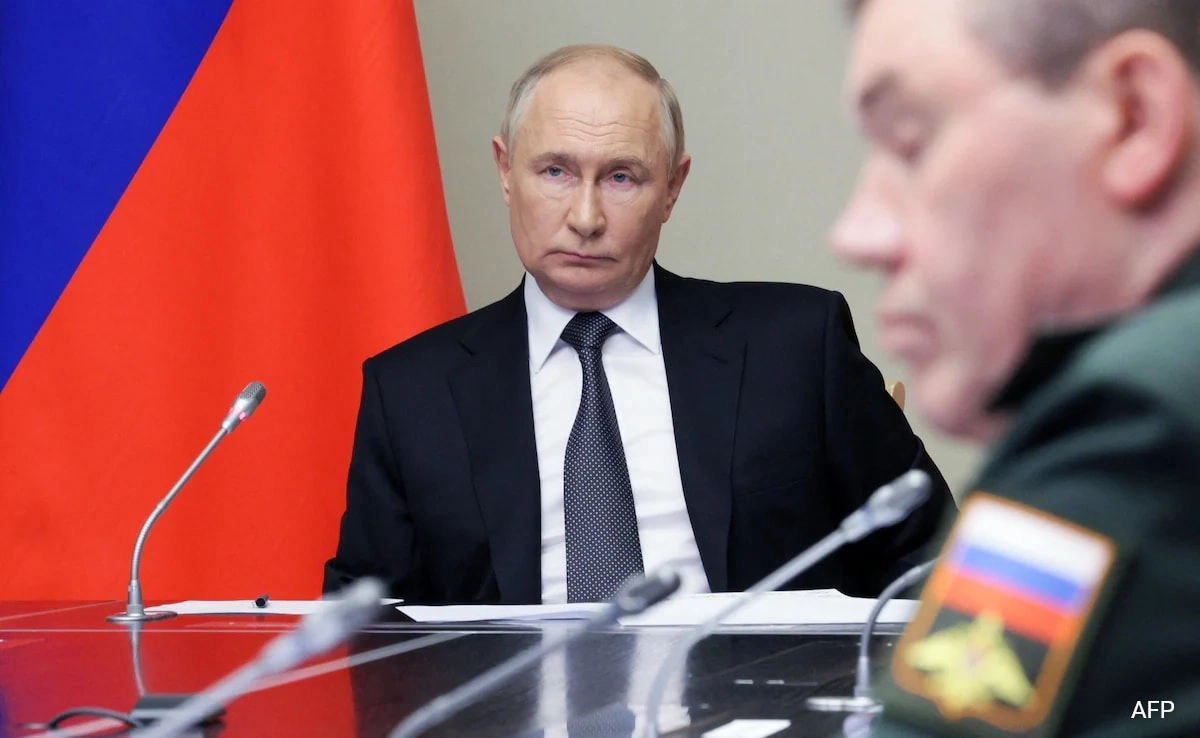
Russian President Vladimir Putin has decided to forgo participation in the upcoming negotiation talks concerning the ongoing conflict between Russia and Ukraine, which are set to take place in Turkey. This decision underscores the complexities and challenges facing diplomatic efforts aimed at resolving the tensions that have persisted since the conflict escalated. The absence of Putin raises questions about the effectiveness of these negotiations and the potential outcomes for both nations.
The Turkey talks were anticipated to serve as a crucial platform for dialogue, offering a chance for both sides to address their grievances and explore possible pathways toward peace. However, with Putin opting not to attend, the dynamics of the discussions may shift significantly. Observers speculate that his absence could lead to a lack of commitment from the Russian side, potentially undermining the negotiations and leaving the Ukrainian delegation without a key interlocutor. This situation could prolong the conflict, as it diminishes the immediate potential for direct communication between the two nations’ leaders.
Putin’s decision may be influenced by various factors, including domestic pressures, military considerations, or a strategic calculation regarding the ongoing conflict. The Russian government has consistently framed its actions in Ukraine as a response to what it perceives as external threats, which could impact Putin’s willingness to engage in talks perceived as yielding to foreign demands. As a result, the international community remains wary of the implications of this decision, as it raises concerns about the stability of the region and the prospects for future negotiations.
In the absence of Putin, the role of other key players in the negotiations becomes even more critical. Turkey, which has positioned itself as a mediator, will have to navigate the complexities of the situation carefully. The effectiveness of the talks will depend on how well the mediators can facilitate discussions and whether they can encourage a constructive dialogue despite the absence of one of the primary parties. The international community will be closely watching these developments, hoping for a breakthrough that could alleviate the suffering caused by the prolonged conflict and pave the way for a lasting resolution.