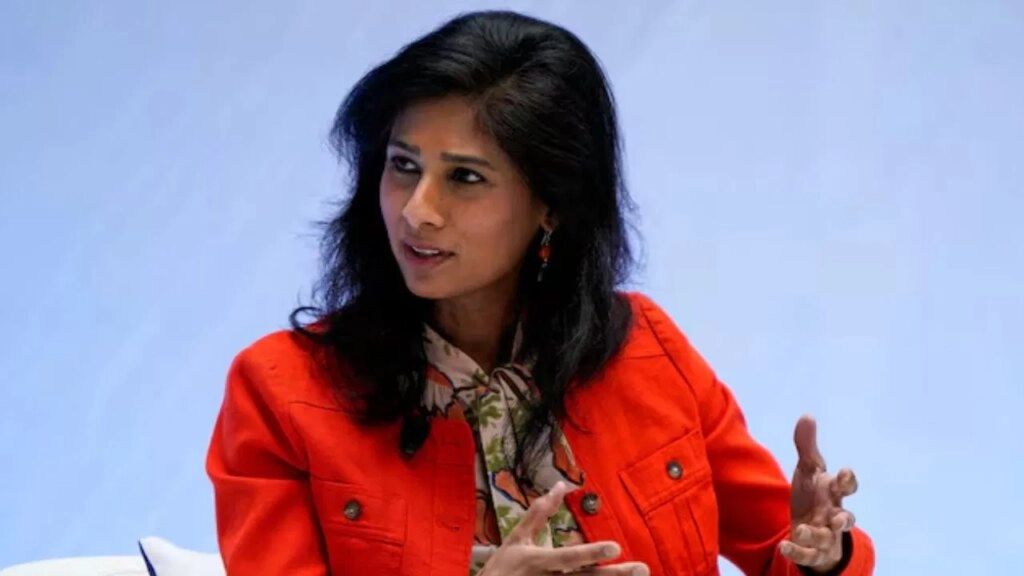
Gita Gopinath, the Chief Economist at the International Monetary Fund (IMF), has emphasized the detrimental impact of pollution on the Indian economy, asserting that it inflicts greater harm than the imposition of tariffs. In her recent statements, she highlighted that pollution not only affects productivity but also significantly drives up healthcare costs, creating a dual burden on the economy. The toll of environmental degradation extends beyond immediate health concerns; it stifles economic growth and hampers the potential for sustainable development.
Gopinath’s remarks bring to light the pressing issue of air and water pollution in India, which has reached alarming levels in recent years. Poor air quality is linked to various health problems, increasing the financial strain on healthcare systems as more individuals seek treatment for pollution-related ailments. This situation diverts resources away from other essential areas of the economy, ultimately undermining overall productivity and efficiency. In contrast, while tariffs can create economic disruptions, their effects may be relatively contained compared to the pervasive and lasting impact of pollution.
Furthermore, Gopinath advocates for a more comprehensive approach to economic policy that takes environmental factors into account. By prioritizing clean air and water initiatives, the government can not only improve public health but also foster a more robust economic environment. Investing in sustainable technologies and infrastructure can lead to job creation and enhance the quality of life for citizens. Thus, addressing pollution is not merely an environmental concern; it is a critical economic strategy that could pave the way for a healthier and more prosperous future for India.
In conclusion, Gopinath’s insights underline the urgent need for policy reforms that address the root causes of pollution while promoting economic growth. By recognizing the interconnectedness of environmental health and economic prosperity, India can make strides toward a more sustainable and equitable future.