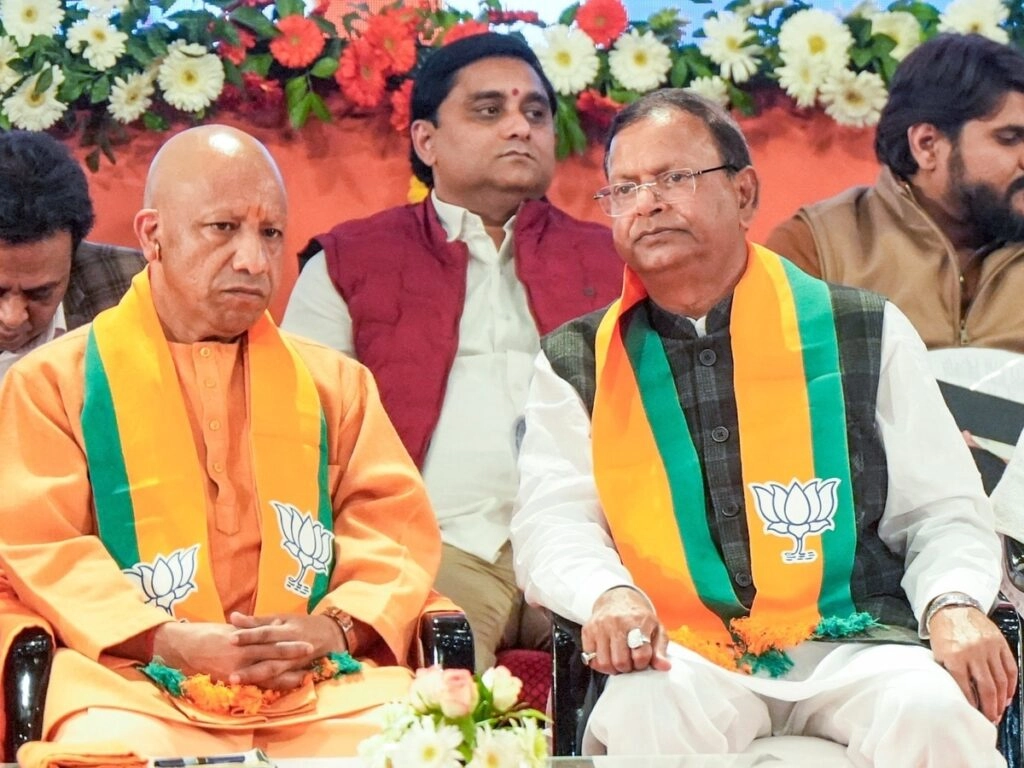
In a significant political shift in Uttar Pradesh, discussions are swirling around the possibility of the Yogi Adityanath-led government appointing a third Deputy Chief Minister. This potential development comes in the wake of ongoing political maneuvers within the state, where various factions are jockeying for power and influence. The current political landscape is marked by increasing competition among key players, and the introduction of an additional Deputy CM could be a strategic move to strengthen the government’s position and address the demands of different groups.
The Yogi government, which has already appointed two Deputy Chief Ministers, is now faced with the challenge of maintaining stability and unity within its ranks. The prospect of a third Deputy CM suggests a response to internal pressures, particularly from coalition partners and regional leaders who are seeking greater representation within the administration. This move could be seen as an effort to consolidate support and ensure a more inclusive governance structure that can effectively address the diverse needs of the state’s population.
As the political drama unfolds, analysts are closely watching how this potential appointment might impact the government’s governance and its relationship with various stakeholders. The Yogi government’s ability to adapt to the changing political dynamics will be crucial as it prepares for upcoming elections and seeks to maintain its relevance in the face of opposition challenges. The decision to introduce a third Deputy CM could serve as a tactical advantage, but it also carries risks if not managed carefully, particularly concerning the balance of power among existing leaders. As the situation evolves, it remains to be seen how this political earthquake will shape the future of governance in Uttar Pradesh.