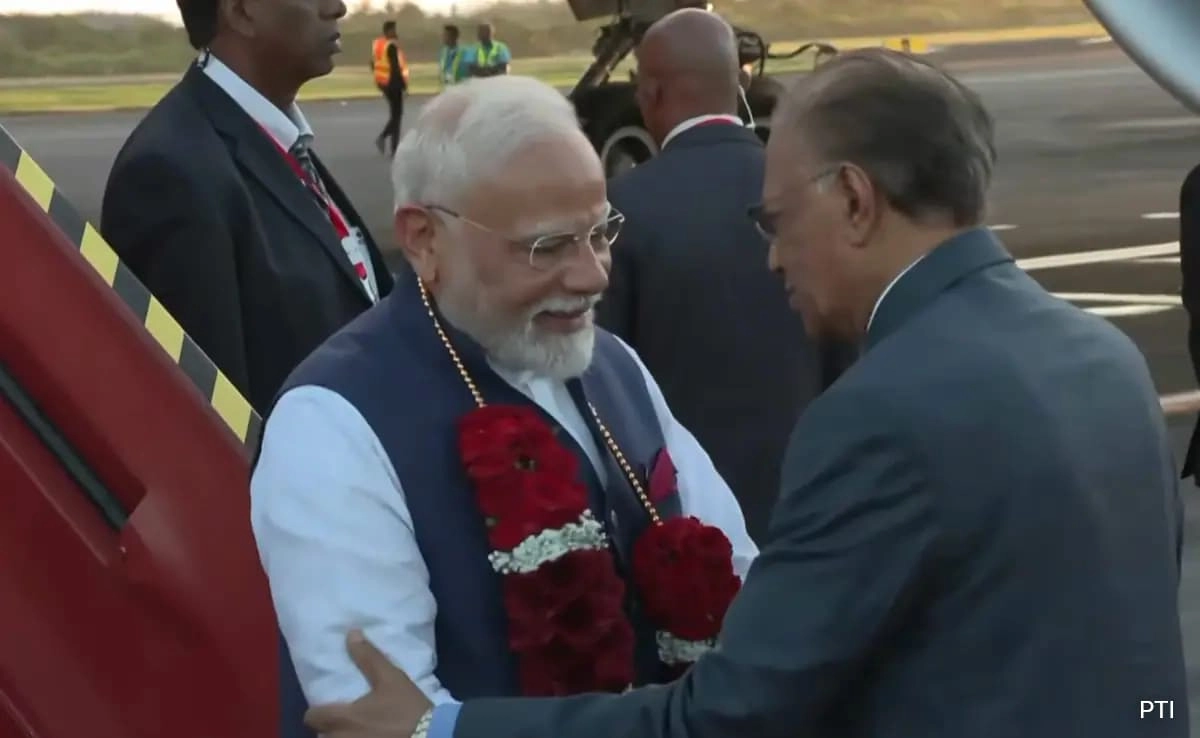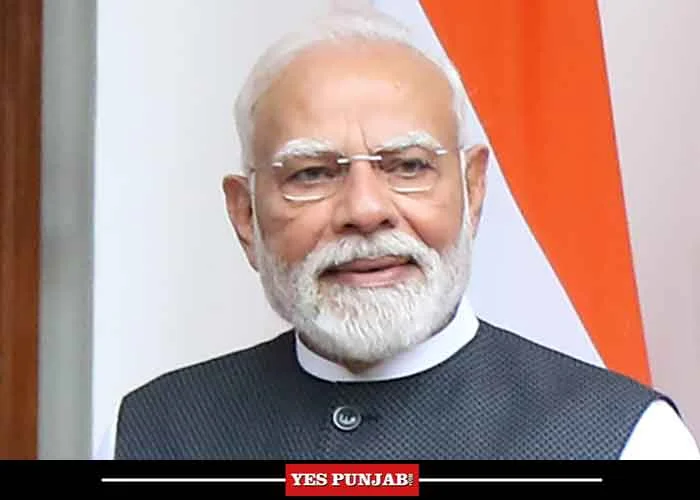
Prime Minister Narendra Modi is set to visit Dera Sachkhand Ballan to commemorate Ravidass Jayanti, an event that holds significant importance for the followers of Guru Ravidas. This visit is not just a gesture of respect towards the spiritual leader but is also viewed as a strategic political move in the context of upcoming elections in Punjab. The timing of this visit suggests a concerted effort by the Prime Minister and his party to strengthen ties with the Dalit community, which forms a crucial voter base in the state.
Guru Ravidas, a revered figure in the Sikh and Hindu traditions, is celebrated for his teachings that promote equality and social justice. Ravidass Jayanti is an occasion that brings together thousands of devotees who gather to pay homage to the saint and reflect on his messages of love and compassion. By participating in this celebration, PM Modi aims to connect with the sentiments of the community, reinforcing his government’s commitment to inclusivity and social harmony. This outreach is particularly significant in Punjab, where Dalit voters can sway election outcomes.
Furthermore, Modi’s engagement with the Dera Sachkhand Ballan, a prominent religious institution, signals an acknowledgment of the influence that religious leaders wield over their followers. In recent years, political parties have increasingly sought to align themselves with various religious groups to secure votes. PM Modi’s presence at this event is expected to resonate with the electorate, potentially boosting the Bharatiya Janata Party’s (BJP) prospects in the region. As political dynamics evolve, such visits are critical for parties looking to consolidate their position ahead of the polls.
In summary, PM Modi’s visit to Dera Sachkhand Ballan on Ravidass Jayanti is a multifaceted move that intertwines respect for cultural heritage with electoral strategy. It highlights the BJP’s approach to engage with diverse communities in Punjab, particularly the Dalit population, as the party aims to solidify its foothold in a state known for its vibrant political landscape. The success of this outreach will largely depend on the party’s ability to translate goodwill into tangible support during the elections.