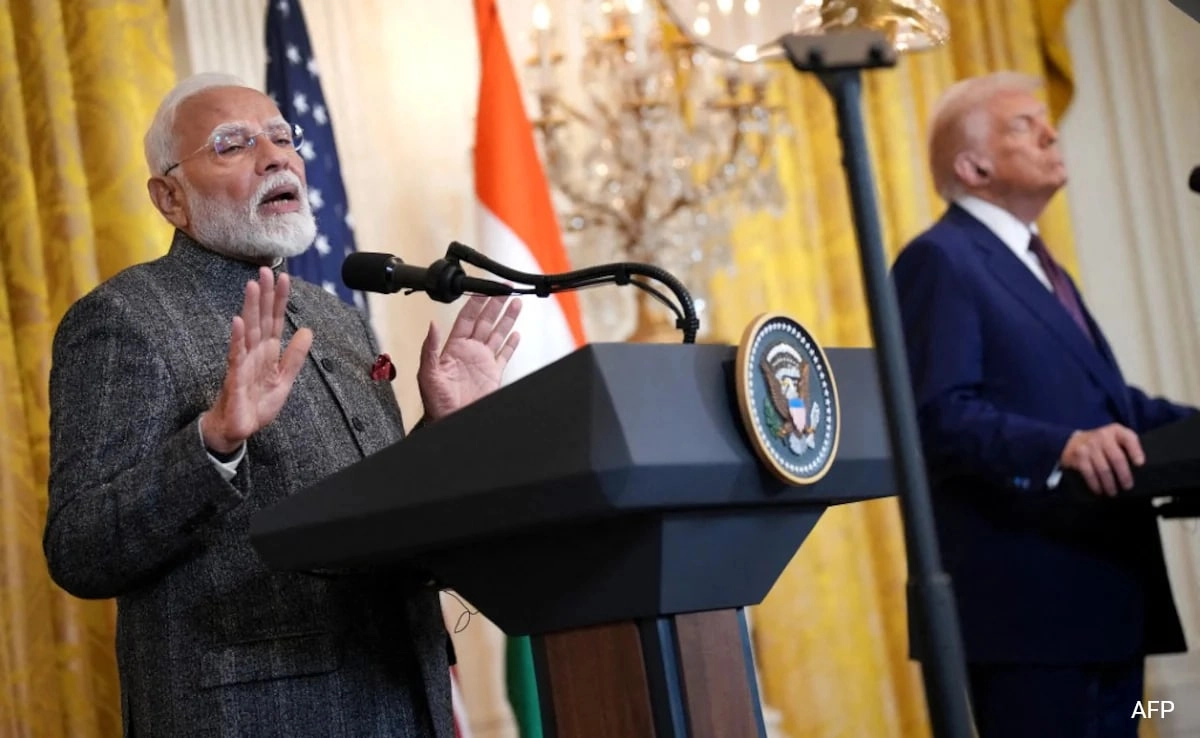
Amid escalating tensions over trade tariffs, a recent report has revealed that Indian Prime Minister Narendra Modi reportedly avoided four phone calls from former U.S. President Donald Trump. The situation highlights the complexities and challenges in international relations, particularly concerning economic policies between two major economies like India and the United States. The friction arose as the U.S. introduced tariffs on a variety of goods, which prompted India to respond with its own set of tariffs on American products. This tit-for-tat approach created a tense environment, making communication between the leaders crucial for diplomatic relations.
The avoidance of calls can be interpreted in various ways. On one hand, it could signify PM Modi’s strategic decision to not engage in dialogue that could lead to further escalation of trade disputes. On the other hand, it may reflect a broader shift in India’s foreign policy, where Modi is increasingly prioritizing national interests and domestic economic stability over international pressures. The refusal to engage directly with Trump during this critical period may also indicate that the Indian government was seeking to solidify its stance on trade issues rather than capitulate to external demands.
Furthermore, the context of these avoided calls is significant. The relationship between India and the U.S. has been evolving over the years, with both nations seeking to strengthen ties in various sectors, including defense and technology. However, trade has often been a contentious issue, with tariffs serving as a major sticking point. Modi’s decision to sidestep Trump’s calls suggests a careful approach to navigating these complexities, balancing the need for economic growth with the imperative of maintaining sovereignty in trade policies. As both countries continue to grapple with these challenges, the implications of such diplomatic maneuvers will likely resonate in future negotiations and bilateral relations.
In conclusion, the reported avoidance of calls from Trump by PM Modi sheds light on the intricate dynamics of international diplomacy, particularly in the context of trade. It underscores the importance of dialogue while also reflecting the strategic choices leaders must make in response to changing geopolitical landscapes. As both nations work through these trade tensions, the need for effective communication and negotiation will remain paramount in fostering a stable and mutually beneficial relationship.