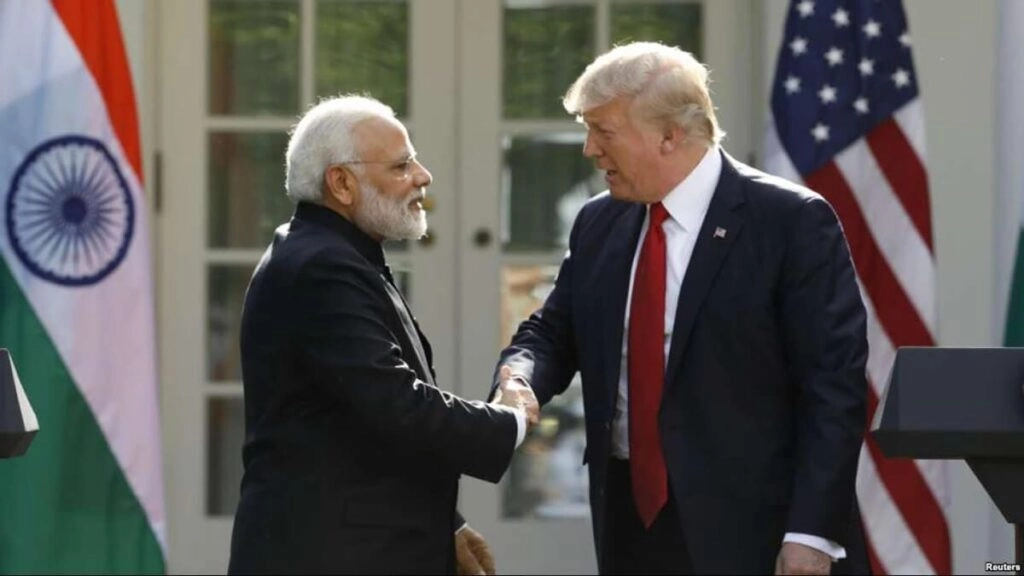
Prime Minister Narendra Modi has expressed his approval regarding the recent decision by the United States to reduce tariffs on products manufactured in India. This significant announcement came following a phone conversation between PM Modi and US President Donald Trump. The reduction in tariffs from the previous rate to an 18% rate is expected to bolster trade relations between the two nations, enhancing economic ties and facilitating a more favorable environment for Indian exporters.
The lowering of tariffs is seen as a positive step towards strengthening the strategic partnership between India and the United States. Both leaders acknowledged the importance of mutual cooperation in various sectors, including trade, technology, and defense. Modi emphasized that this move would not only benefit Indian manufacturers but also contribute to a more balanced trade relationship, allowing for greater access to the US market for Indian goods. This development comes at a time when India seeks to enhance its global trade footprint and promote its ‘Make in India’ initiative.
In his remarks, PM Modi highlighted the potential for increased investment and collaboration between American and Indian businesses, which could lead to job creation and economic growth in both countries. The reduction in tariffs is expected to encourage American companies to consider sourcing more products from India, thereby fostering a deeper economic integration. As the US and India navigate the complexities of global trade dynamics, this tariff cut is a welcome development that signals a commitment to strengthening bilateral relations.
Overall, the dialogue between PM Modi and President Trump reflects a shared vision for a robust economic partnership, with both leaders recognizing the mutual benefits of enhanced trade. As the world continues to evolve in terms of economic policies and trade agreements, this tariff reduction could serve as a catalyst for further negotiations and collaborations that would ultimately benefit both nations.