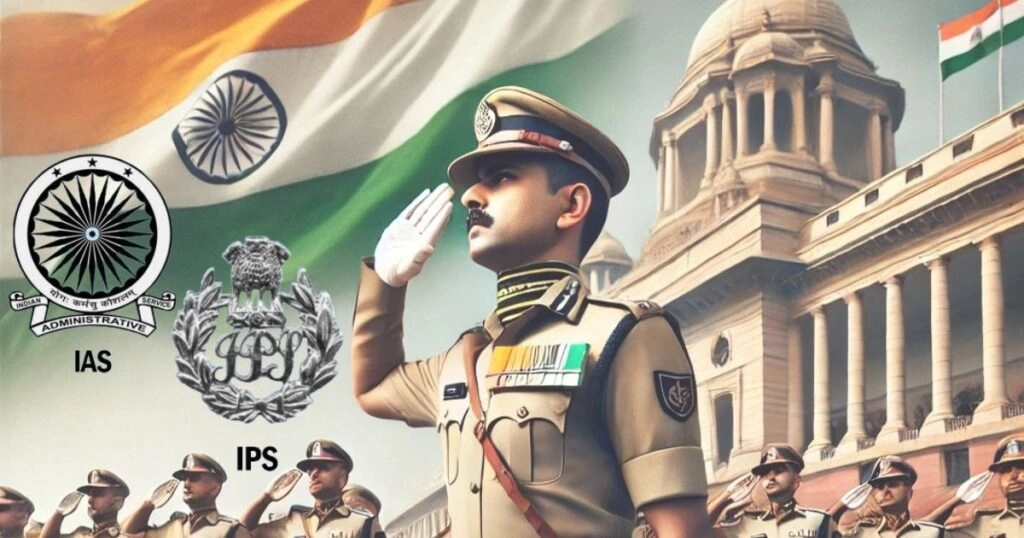
In a recent session of Parliament, the government disclosed vital statistics regarding the representation of Scheduled Castes (SC), Scheduled Tribes (ST), and Other Backward Classes (OBC) among Indian Administrative Service (IAS) and Indian Police Service (IPS) officers. This revelation has sparked interest and discussions about the inclusivity and diversity within these prestigious civil services. The figures presented indicate the proportion of officers from these communities, shedding light on the effectiveness of affirmative action policies aimed at promoting social equity in India.
The data reveals that a significant number of IAS and IPS officers come from SC, ST, and OBC backgrounds, highlighting the gradual but positive change in the representation of marginalized communities within these elite services. This development is crucial as it reflects the government’s commitment to ensuring that individuals from various socio-economic backgrounds have opportunities to serve in key administrative and law enforcement roles. The representation of these communities can lead to more nuanced decision-making and policy formulation that takes into account the diverse needs and challenges faced by different segments of society.
Moreover, the figures serve to stimulate discussions about the ongoing challenges and barriers that still exist for candidates from SC, ST, and OBC backgrounds in accessing civil service examinations and subsequent recruitment processes. Despite the improvements, there is a consensus that more needs to be done to enhance the support systems and resources available to these candidates, ensuring that they can compete effectively with their peers from more privileged backgrounds.
Overall, the disclosure of these statistics is a step towards greater transparency and accountability in the recruitment processes of IAS and IPS officers. It underscores the importance of ongoing efforts to strengthen diversity and representation in civil services, ultimately fostering a more inclusive governance framework that reflects the rich tapestry of India’s diverse population. As discussions continue, it will be critical to monitor progress and implement policies that support equal opportunities for all aspiring civil servants, regardless of their socio-economic backgrounds.