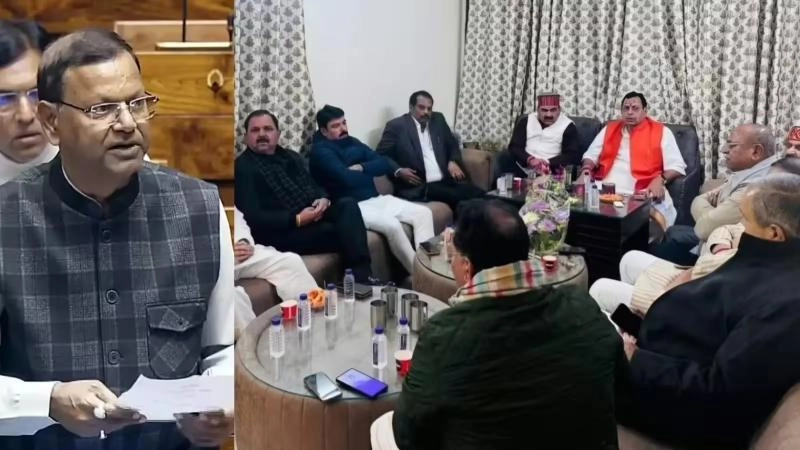
Pankaj Chaudhary has recently issued a significant warning to Brahmin MLAs, which has sparked a notable political stir in the region. As tensions rise within the political landscape, his remarks have created a ripple effect, intensifying discussions among party members and constituents alike. Chaudhary’s warning appears to be a response to growing concerns about the representation and influence of Brahmin leaders within the political framework. The implications of his statements could potentially reshape alliances and strategies as various political factions assess their positions in light of the emerging dynamics.
This development comes at a time when the political climate is already charged, with various groups vying for power and influence. The Brahmin community has historically held a significant role in the political arena, but recent shifts have led to questions about their future standing. Chaudhary’s comments may be interpreted as a call to action for Brahmin MLAs to reassess their approaches and alignments, urging them to consolidate their efforts in order to maintain their relevance and authority in the face of changing political tides.
As the situation unfolds, it will be crucial to observe how the Brahmin MLAs respond to Chaudhary’s warning. Their reactions may vary, ranging from calls for unity and collaboration to potential pushback against perceived threats to their political capital. The broader implications of this discourse could influence upcoming elections and policy decisions, as the dynamics between different caste groups and political factions continue to evolve. The intensity of the political stir initiated by Chaudhary’s remarks underscores the complex interplay of caste, power, and governance in the region, making it a critical moment for all stakeholders involved.