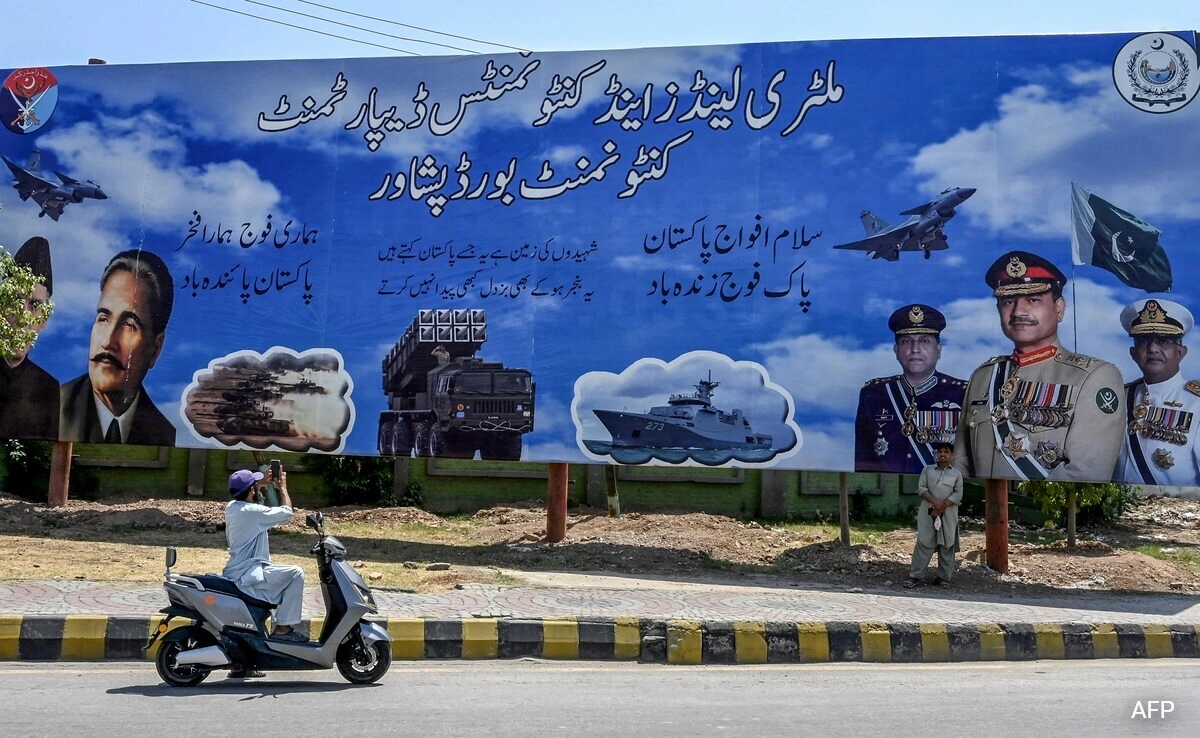
In recent discussions surrounding the rising tide of extremism and terrorism, military historian Tom Cooper has shed light on the significant role that religion plays in fostering jihadism, particularly in Pakistan. According to Cooper, the misuse of religious ideologies has not only contributed to the radicalization of individuals but has also led to a broader societal acceptance of violence as a means of resolving conflicts. This phenomenon is particularly alarming given Pakistan’s strategic position in South Asia and its historical ties to various militant groups. Cooper highlights that the intertwining of state politics and religious narratives has created an environment where jihadism can thrive, often under the guise of defending faith or national interest.
Cooper argues that this misuse of religion is not merely an ideological issue but a deeply entrenched systemic problem. In Pakistan, religious extremism has been exacerbated by socio-political factors, including poverty, lack of education, and political instability. These elements combine to create fertile ground for radical ideologies to take root, compelling individuals to seek out extremist groups as a solution to their grievances. The military historian points to the alarming rise in recruitment for jihadist organizations, which prey on disillusioned youth and offer them a sense of purpose and belonging. This dynamic not only destabilizes the region but poses a direct threat to global peace and security.
Moreover, Cooper emphasizes the need for a multifaceted approach to combat this crisis. Addressing the root causes of jihadism requires more than just military intervention; it necessitates a comprehensive strategy that includes educational reform, economic development, and community engagement. By promoting critical thinking and tolerance, societies can work towards dismantling the narratives that fuel extremism. Cooper advocates for international cooperation in these efforts, as the ramifications of Pakistan’s internal struggles extend far beyond its borders, affecting neighboring countries and the global community at large. Ultimately, the challenge lies in countering the pervasive influence of radical ideologies while fostering an environment where peaceful coexistence can flourish.