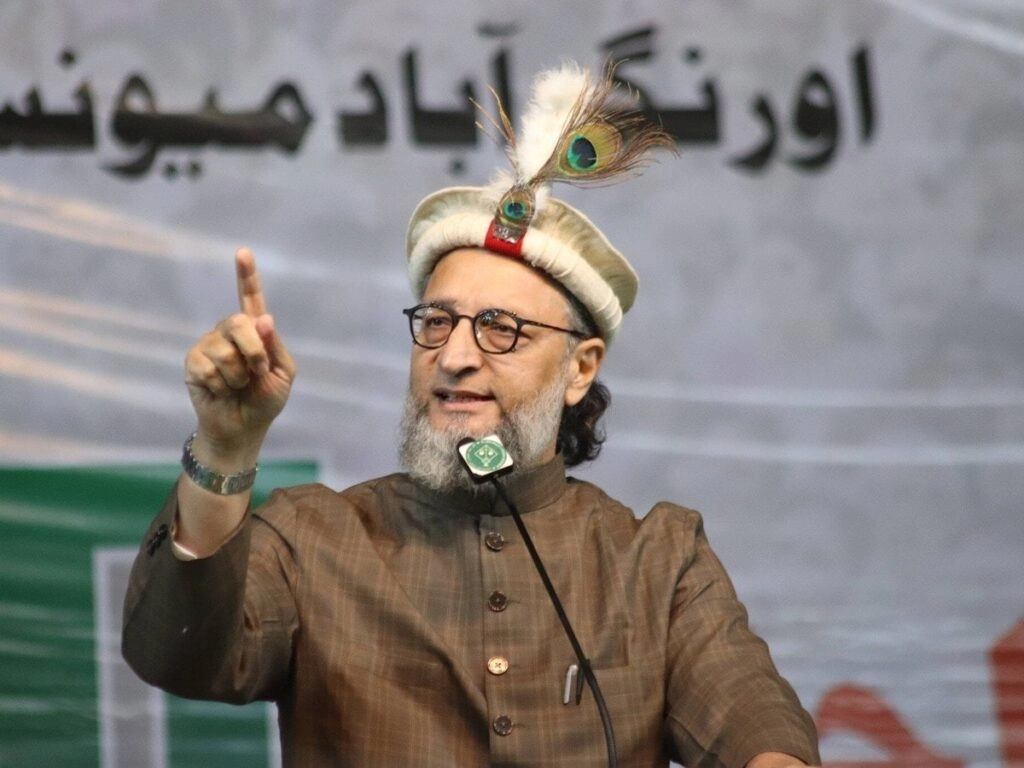
A recent statement made by Asaduddin Owaisi regarding Ram and a letter by Vinayak Damodar Savarkar concerning Tipu Sultan’s ring has sparked significant political controversy in India. Owaisi, a prominent leader of the All India Majlis-e-Ittehadul Muslimeen (AIMIM), has been known for his vocal stance on various historical and political issues. His comments have reignited debates about historical narratives and the interpretation of figures like Tipu Sultan, who is a controversial character in Indian history, revered by some as a freedom fighter and criticized by others for his policies.
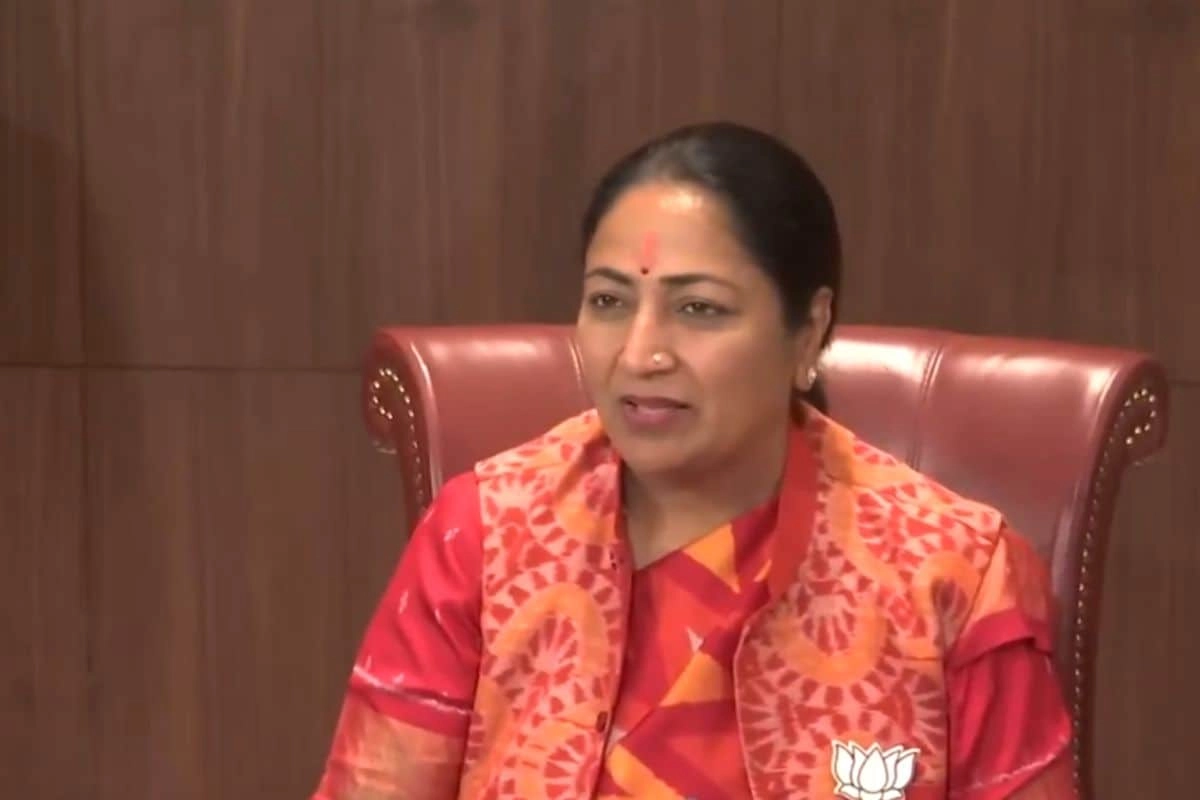
The Bharatiya Janata Party (BJP), in response to Owaisi’s remarks, has accused him of distorting historical facts to serve a political agenda. They assert that such statements are an attempt to undermine the legacy of key historical figures, particularly those associated with Hindu nationalism. The BJP’s reaction underscores the deep-seated ideological divides in Indian politics, where historical interpretations are often leveraged to bolster contemporary political positions. The party’s leaders argue that Owaisi’s comments not only misrepresent the past but also fuel communal tensions in a country where religious identities play a pivotal role in political discourse.
Owaisi’s comments, juxtaposed with Savarkar’s letter, have opened a broader discussion about the representation of historical figures in India. Savarkar, known for his nationalist views, has been both celebrated and criticized for his writings and political actions. In addressing Tipu Sultan’s legacy, Owaisi has tapped into a complex narrative that intertwines religion, nationalism, and cultural identity. The ensuing political turmoil highlights the sensitive nature of historical interpretation in India, where various factions often contest the narratives that shape public memory and identity.
As the political landscape evolves, such exchanges between leaders like Owaisi and the BJP are likely to continue, reflecting the ongoing struggle over India’s historical and cultural identity. The implications of these debates extend beyond mere political rhetoric; they influence how future generations perceive their history and understand the multifaceted nature of their national identity. In this context, Owaisi’s statement serves not only as a catalyst for political discourse but also as a reminder of the complexities inherent in interpreting India’s rich and often contentious history.