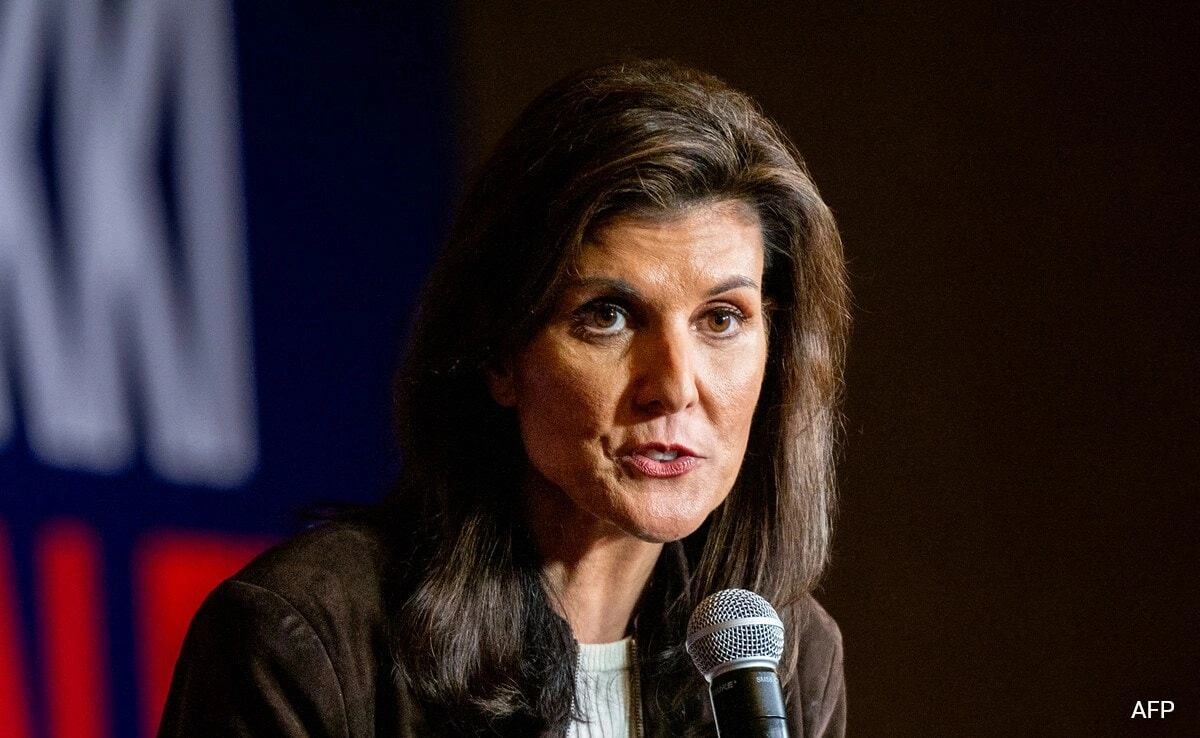
Nikki Haley, the former U.S. Ambassador to the United Nations, has recently expressed strong support for India’s right to defend itself against terrorism, specifically addressing the ongoing challenges posed by Pakistan. In her statements, Haley underscored the legitimacy of India’s actions in response to terrorist threats, emphasizing that nations must have the autonomy to protect their sovereignty and the safety of their citizens. This stance reflects a broader understanding of the geopolitical dynamics in South Asia, where terrorism remains a critical issue affecting regional stability.
Haley’s remarks also included a pointed critique of Pakistan, highlighting its role in harboring and supporting terrorist groups that pose a threat not only to India but also to global security. She articulated the need for a united front against terrorism, urging the international community to hold Pakistan accountable for its actions. This perspective aligns with growing concerns among several nations regarding Pakistan’s alleged complicity in facilitating militant activities, which have led to numerous attacks in India and beyond.
The former ambassador’s comments come at a time when tensions between India and Pakistan are particularly pronounced, fueled by recent incidents of cross-border terrorism. By advocating for India’s right to retaliate, Haley is reinforcing the importance of self-defense in international law and the necessity for countries to respond decisively against aggressors. Her statements resonate with a broader sentiment shared by many in the international community who recognize the need for collective action against terrorism, as well as the need for affected nations to assert their right to protect their interests.
Haley’s vocal support for India also reflects the shifting alliances and strategic partnerships in the region, particularly as the United States continues to navigate its relationships with both India and Pakistan. The emphasis on India’s sovereignty and security highlights the growing recognition of India as a key player in maintaining stability in South Asia. As geopolitical landscapes evolve, the international response to terrorism and the support for victimized nations like India will likely remain a focal point of diplomatic discussions and foreign policy initiatives in the years to come.