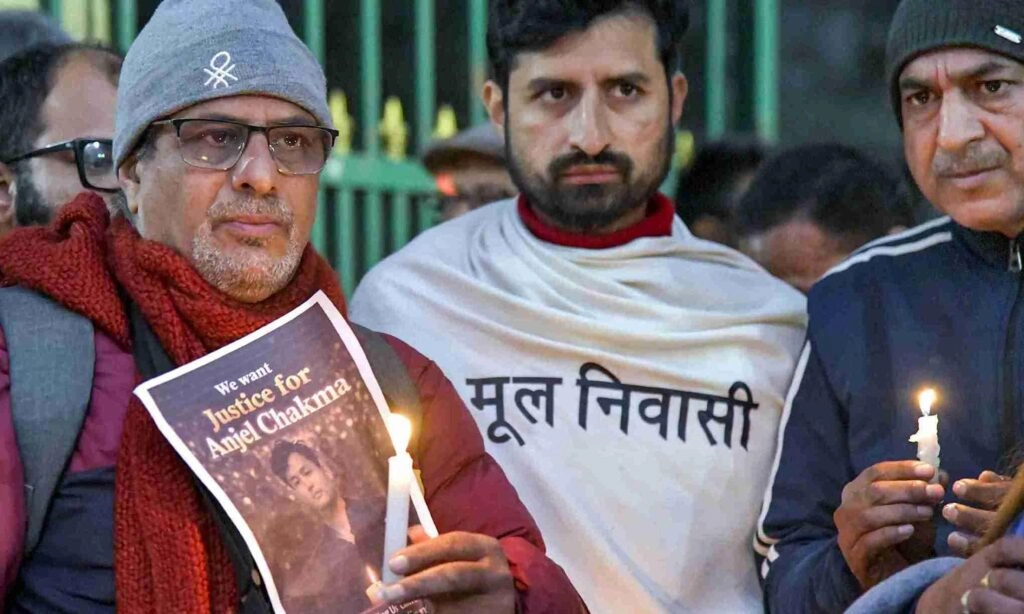
Following the tragic death of Anjel Chakma, a student from the northeastern region of India, many fellow students have voiced their concerns about the systemic issues that contributed to this loss. A significant point of contention among the students is the perceived lack of legal recognition of their rights and identities. This situation highlights a broader issue affecting students from the northeastern states, who often feel marginalized and overlooked by national policies and educational frameworks.
The students argue that the absence of legal acknowledgment not only undermines their rights but also contributes to a culture of neglect and discrimination. They believe that recognizing the unique cultural and social identities of northeastern communities in legal terms could lead to more inclusive policies and better support systems within educational institutions. This recognition is seen as a crucial step toward addressing the challenges faced by these students, including issues related to mental health, discrimination, and access to resources.
In the wake of Anjel’s death, there is a growing call for universities and educational authorities to implement measures that ensure the safety and well-being of students from the northeast. Advocates emphasize the need for comprehensive support systems, including counseling services and awareness programs, that cater specifically to the needs of these students. The hope is that by addressing these systemic failures, future tragedies can be prevented, and a more supportive educational environment can be created for all students, regardless of their background.
This incident serves as a wake-up call for policymakers and educational institutions to re-evaluate their approaches to inclusivity and support for marginalized communities. By prioritizing legal recognition and support for the unique challenges faced by northeastern students, there is potential for meaningful change that honors Anjel Chakma’s memory and paves the way for a more equitable future.