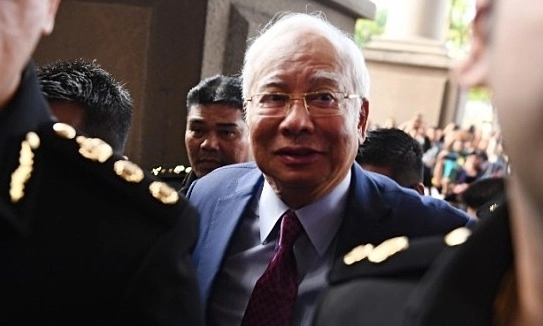
Former Malaysian Prime Minister Najib Razak is set to receive a verdict in his high-profile trial concerning the 1Malaysia Development Berhad (1MDB) scandal, one of the largest financial frauds in history. The trial, which has garnered significant international attention, revolves around allegations that Najib misappropriated billions of dollars from the state investment fund, 1MDB, which was established in 2009 to promote economic development. The case has raised serious concerns about corruption and governance in Malaysia, as well as the implications for the country’s political landscape.
During the proceedings, prosecutors presented evidence suggesting that Najib funneled approximately $4.5 billion from 1MDB into personal accounts, which he then allegedly used for various purposes, including funding lavish lifestyles and political campaigns. The trial has been marked by dramatic testimonies and extensive media coverage, reflecting the public’s keen interest in the outcome. Najib has consistently denied the charges, claiming that he was misled by those around him and asserting that he did not personally benefit from the funds.
As the verdict approaches, the stakes are incredibly high, not just for Najib but also for Malaysia’s political future. The case has the potential to reshape the country’s governance framework and restore public trust in its institutions. If convicted, Najib could face a lengthy prison sentence, which would further complicate the already tumultuous political landscape in Malaysia. This trial is not only a pivotal moment for justice in Malaysia but also serves as a cautionary tale about the dangers of corruption and the need for accountability in leadership. The world is watching closely as the verdict is anticipated, with many hoping it will pave the way for meaningful reforms in governance.