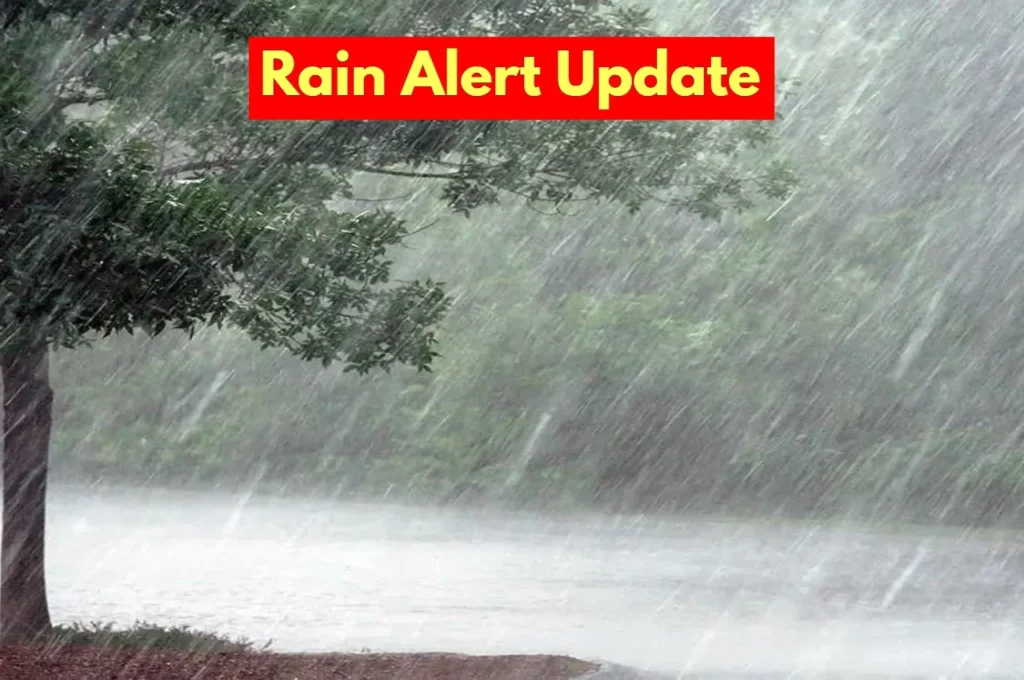
The monsoon season is upon us, and weather forecasts indicate significant changes in temperature and precipitation patterns across various regions. The Meteorological Department has issued alerts for several states, warning residents to prepare for a drop in temperatures, accompanied by potential storms and heavy rainfall. This shift in weather is expected to bring relief from the heat that has persisted in many areas, but it also raises concerns about possible disruptions and hazards.
States such as Maharashtra, Gujarat, and Rajasthan are among those most likely to experience the effects of the approaching monsoon. The anticipated storms could lead to localized flooding, particularly in low-lying areas, and may disrupt daily activities. Residents are advised to stay informed about the weather conditions and take necessary precautions to safeguard themselves and their property. The government has urged citizens to avoid unnecessary travel during severe weather events and to remain vigilant in case of emergency situations.
In addition to the immediate impact of heavy rainfall, the monsoon season plays a crucial role in replenishing water sources and supporting agricultural activities. Farmers are particularly reliant on the rains for their crops, and timely monsoon showers can significantly influence agricultural productivity. However, the unpredictable nature of monsoon storms can also pose challenges, such as soil erosion and crop damage, if the rains are too intense or poorly timed.
Overall, while the monsoon brings much-needed respite from the heat and supports the agricultural sector, it also requires careful monitoring and preparation. As the weather patterns evolve, residents in affected states should stay updated through official channels and heed warnings from meteorological authorities. By taking proactive measures, communities can better navigate the challenges posed by the monsoon season and ensure their safety during this transformative time of year.