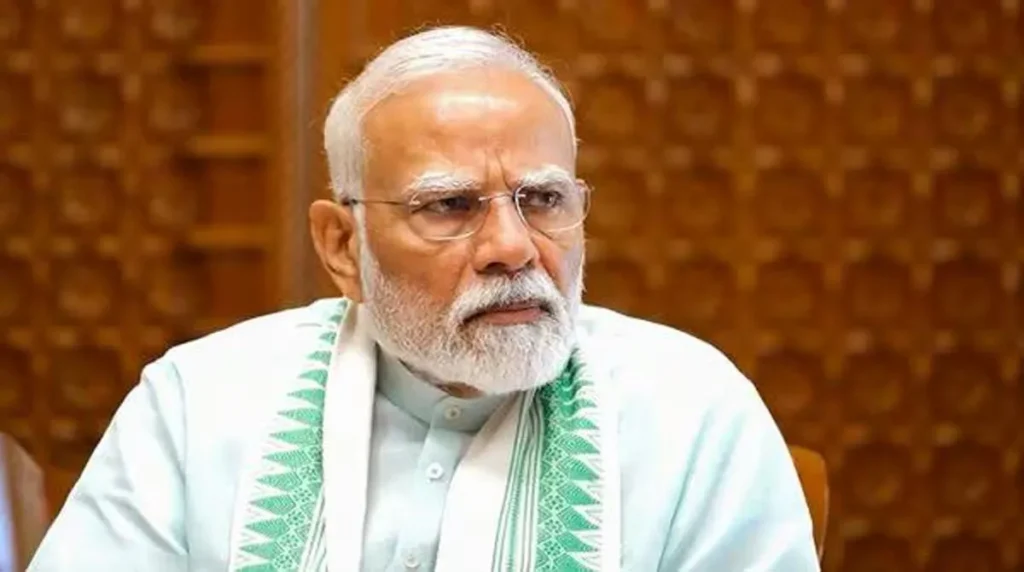
In a recent statement, Indian Prime Minister Narendra Modi emphasized the urgent need for environmental stewardship, particularly in relation to agricultural practices that harm the planet. He pointed out that the excessive use of urea and other chemical fertilizers poses a significant threat to the health of Mother Earth. Modi’s remarks underline the broader issue of sustainable farming, highlighting the responsibility of farmers and policymakers to adopt practices that protect the environment rather than degrade it.
Modi’s call to action resonates with global concerns about climate change and environmental degradation. The use of urea in agriculture, while beneficial for crop yields in the short term, can lead to long-term soil degradation and water pollution. This cycle not only affects the ecosystem but also threatens food security and the livelihoods of farmers. The Prime Minister’s message serves as a reminder that immediate agricultural needs should not come at the expense of ecological balance.
To address these challenges, Modi advocates for a shift towards more sustainable agricultural practices. This includes promoting organic farming, enhancing soil health, and utilizing natural fertilizers. By embracing these alternatives, farmers can contribute to the preservation of the environment, ensuring that future generations inherit a healthier planet. Modi’s vision calls for collective action from all stakeholders to nurture and protect Mother Earth, fostering a harmonious relationship between agriculture and nature.
In conclusion, the Prime Minister’s remarks serve as a crucial reminder that the health of our planet is intricately linked to our agricultural practices. It is imperative that we rethink our approach to farming, moving away from harmful chemicals like urea and towards methods that sustain both our food systems and the environment. The future of farming lies in our ability to innovate and adapt, ensuring that we respect and care for the Earth that sustains us all.