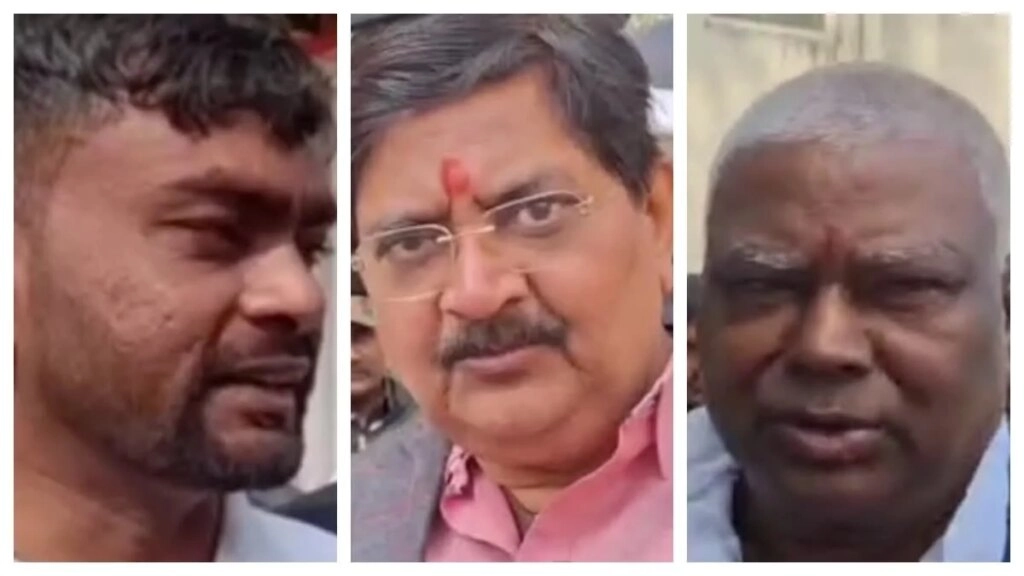
During a recent convocation ceremony held at the Binod Bihari Mahto Koyalanchal University (BBMKU), tensions flared when three Members of the Legislative Assembly (MLAs) expressed their dissatisfaction by walking out of the event. Their anger stemmed from the fact that their names were not acknowledged during the proceedings, which they felt was a significant oversight. The convocation, which is typically a moment of celebration and recognition for students and their achievements, was overshadowed by this controversy.
The situation escalated when the Governor, who presided over the ceremony, only mentioned the name of Jairam Mahato, a prominent figure in the region. This selective acknowledgment sparked frustration among the MLAs, who believed that their contributions and roles within the community deserved similar recognition. The lack of a comprehensive acknowledgment of all attendees, particularly those holding such significant public office, raised questions about the inclusivity and respect afforded to elected representatives at the event.
The walkout by the three MLAs not only highlighted their displeasure but also underscored broader issues regarding communication and respect within political and educational institutions. Such incidents can lead to strained relationships between lawmakers and the administration, potentially affecting future collaborations and support for the university. The convocation, meant to celebrate academic accomplishments, instead became a focal point for political discontent, reflecting the complex dynamics between education, governance, and public recognition.