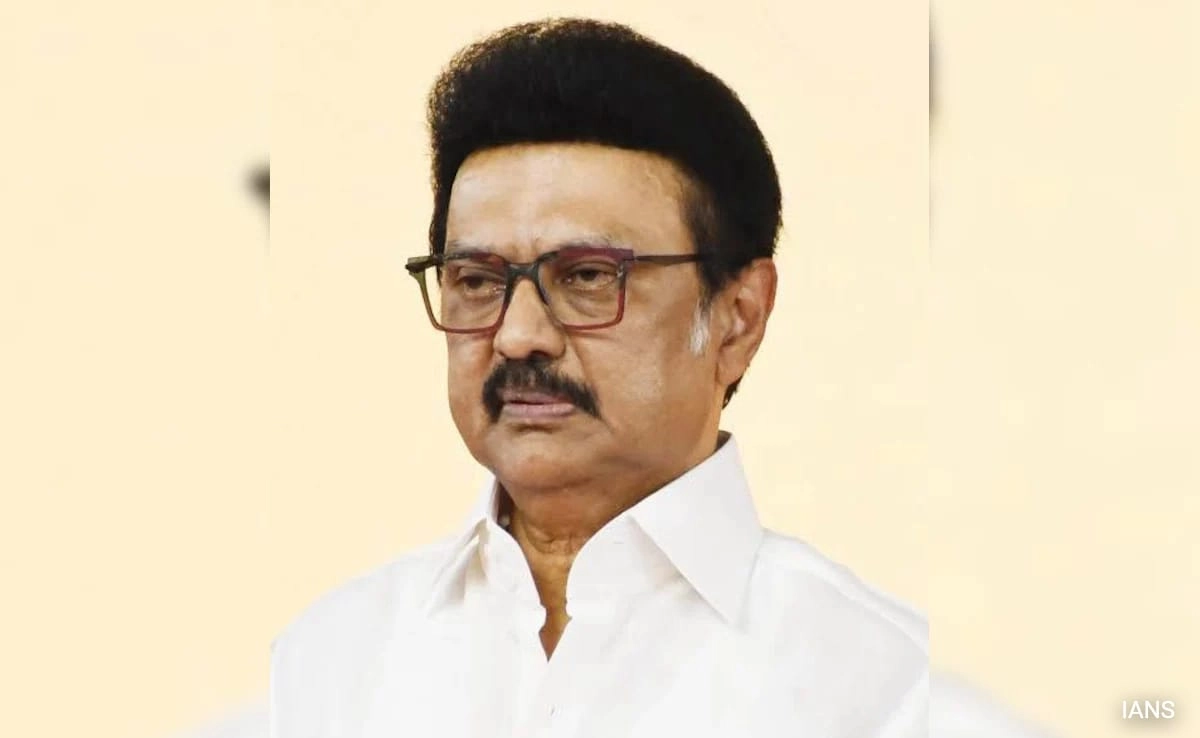
MK Stalin, the Chief Minister of Tamil Nadu and a prominent leader of the Dravida Munnetra Kazhagam (DMK) party, has raised significant concerns regarding the integrity and transparency of the electoral process in India. Following a statement from the Chief Election Commissioner (CEC) defending the recent revision of the electoral roll in Bihar, Stalin posed seven critical questions aimed at shedding light on the procedures and implications of this exercise. His inquiries reflect a deeper apprehension about the potential for discrepancies and the overall credibility of the electoral framework in the country.
Stalin’s questions touch on various aspects of the electoral roll revision, including the methodology employed, the criteria for including or excluding voters, and the safeguards in place to prevent manipulation. He emphasized the importance of ensuring that every eligible voter is accurately represented in the electoral rolls, as any lapses could undermine the democratic process. The CEC’s defense of the roll revision, while aimed at reassuring the public, did not adequately address the concerns raised by Stalin, prompting him to seek clarity on these pressing issues.
Furthermore, Stalin’s scrutiny extends beyond mere electoral mechanics; it reflects a broader demand for accountability within the Election Commission of India (ECI). By questioning the rationale and transparency of the roll revision process, he is advocating for a more robust and trustworthy electoral system. In a democratic setup, where elections are the bedrock of governance, the integrity of the electoral rolls is paramount. Stalin’s initiative serves as a reminder of the ongoing challenges faced in maintaining the sanctity of elections, particularly in a diverse and populous nation like India.
Through these seven questions, Stalin is not only seeking answers but is also calling for a dialogue on electoral reforms. His stance underscores the necessity for political leaders to engage critically with electoral processes, ensuring they reflect the will of the people. As India approaches future elections, the discourse surrounding the electoral roll and its management will be crucial in determining public trust in the democratic system. The questions raised by Stalin serve as a catalyst for a wider discussion on the need for transparency, accountability, and reform in the electoral landscape of the country.